Waddle, Splash, Repeat: How Duck Moves Can Turn Your Couch Potato Kid Into a Feathered Fitness Fanatic
Photo: Dime Dimeski, CC BY-SA 4.0, via Wikimedia Commons
Let's be honest. Telling a seven-year-old to "do some cardio" is about as effective as telling a golden retriever to file its own taxes. But ask that same kid to waddle like a mallard across the living room? Suddenly, everyone's a participant and the dog is confused in a whole new way.
It turns out that ducks — those gloriously goofy, perpetually waddling, occasionally dramatic waterfowl — are basically nature's personal trainers in disguise. And at Ducky Channel, we've been watching these feathered athletes for a while now. What we've discovered might just change your family's entire approach to screen time, active play, and yes, dancing.
The Science Behind the Swagger (A.K.A. Why the Waddle Works)
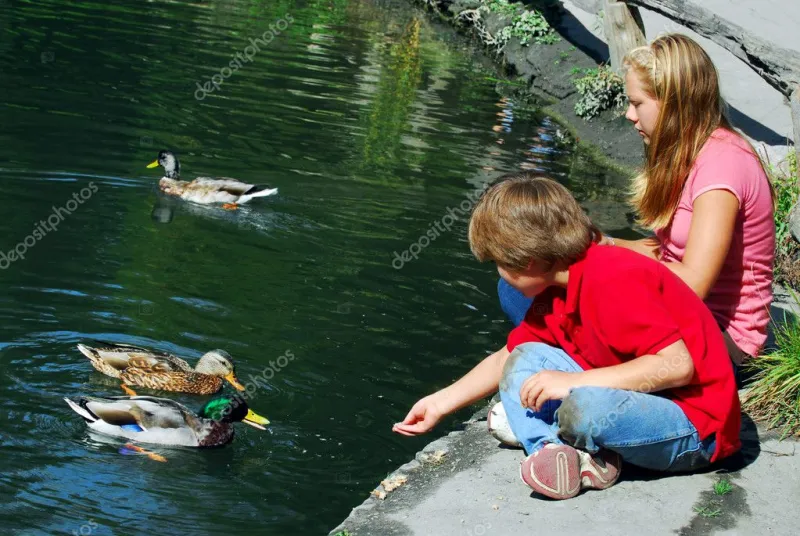
Here's something that will blow your mind the next time you're feeding bread crumbs to ducks at the park (well-meaning reminder: please switch to cracked corn or grapes — ducks will thank you). That signature side-to-side waddle isn't just adorable. It's actually a masterclass in energy-efficient locomotion.
Ducks waddle because their legs are positioned toward the back of their bodies — a design feature that makes them incredible swimmers but slightly ridiculous pedestrians. To move forward, they have to shift their weight from side to side, engaging their core, hips, and legs in a continuous rocking motion.
Movement specialists and physical therapists have long used lateral weight-shifting exercises with kids to build balance, strengthen hip stabilizers, and improve coordination. In other words? Your kid waddling across the kitchen floor is doing physical therapy and doesn't even know it. That's a parenting win.
The Mallard Mating Dance: Nature's Most Extra Workout Routine
If you've ever watched mallards during mating season, you already know they have absolutely zero chill. Male mallards perform an elaborate sequence of moves to impress potential partners — head pumping, tail wagging, wing flapping, and a move called the "grunt-whistle" that involves a dramatic head throw and a spray of water.
Now imagine turning THAT into a kids' exercise circuit.
Here's a sample "Mallard Mating Dance Workout" you can try at home:
- Head Bobs (10 reps): Stand tall, then dip your chin down toward your chest and back up. Works neck flexibility and gets the giggles going immediately.
- Tail Wag Squats (12 reps): Squat low, then wiggle your "tail feathers" side to side before standing. Quads, glutes, and dignity all engaged.
- Wing Flap Jumping Jacks (15 reps): Classic jumping jacks, but instead of clapping overhead, flap those arms like you're absolutely trying to impress someone across the pond.
- The Grunt-Whistle Spin (8 reps): Throw your arms out, spin in a circle, and make whatever sound feels right. (We recommend honoring the spirit of the move.)
Kids ages 4 through 10 go absolutely feral for this kind of structured silliness. And parents? You're getting a workout too whether you like it or not.
Dive, Dive, Dive: The Duck Plunge That Builds Core Strength
Dabbling ducks — think mallards, teals, and gadwalls — do this incredible thing called "upending" where they tip completely headfirst into the water with their tails pointing straight at the sky. It looks ridiculous. It is also a full-body isometric hold that requires serious core engagement.
For kids, the land-based version of this move is a forward fold combined with a balance challenge. Have them stand with feet hip-width apart, then slowly hinge at the hips and reach toward the floor while lifting one leg behind them — a classic yoga "warrior three" position that mimics that upended duck silhouette perfectly.
Call it the "Dabbling Duck Dip" and watch how many more times your kid is willing to attempt it versus calling it "a hamstring stretch."
Building Your Family's Duck-Inspired Exercise Card Deck
One of the best ways to keep active play fresh is to gamify it. Here's how to build a simple Duck Move Card Deck at home:
- Grab 10–15 index cards or cut paper squares.
- Write one duck-inspired move on each card with a fun name: The Preening Stretch, The Diving Plunge, The Brood Shuffle (waddling with arms tucked tight), The Wingtip Balance, The Pond Splash Burpee.
- Draw or print a duck doing the move on each card. (Stick figures are absolutely acceptable and honestly funnier.)
- Shuffle and draw three cards each day for your family's mini movement break.
This works brilliantly during commercial breaks, after school energy explosions, or any time someone announces they're "bored" within earshot of a parent.
Screen Time That Gets Kids Moving
Here's the real magic trick: duck-themed animated content and nature clips can actually serve as a movement prompt rather than a sedentary activity. When kids watch footage of ducks waddling, swimming, or performing those wonderfully unhinged mating dances, their brains light up with imitation instinct.
Mirror neurons — the parts of the brain that activate both when we perform an action AND when we watch someone else do it — are incredibly active in children. This is why toddlers copy everything. It's also why watching a duck shake its tail feathers makes a six-year-old physically incapable of sitting still.
Use that. Lean into it. Pause the video every few minutes and say "Okay, SHOW ME that move." You've just turned passive viewing into active play without any resistance whatsoever.
A Note for Parents: This Is Supposed to Be Ridiculous
The entire point of duck-inspired fitness isn't to raise the next Olympic athlete (though hey, stranger things have happened). It's to build a relationship with movement that feels joyful, silly, and completely pressure-free.
Kids who grow up associating exercise with laughter are far more likely to stay active as they get older. And if the gateway to that lifelong relationship is waddling across the living room while making questionable sound effects? That is a price every parent should be willing to pay.
So the next time your family is staring at a screen, consider redirecting that energy pond-ward. Metaphorically speaking, of course — though an actual trip to a local nature preserve or duck pond is never a bad call either.
Waddle on, little explorers. Waddle on.