Every Quack Tells a Story: Teaching Kids to Listen Like a Duck Whisperer
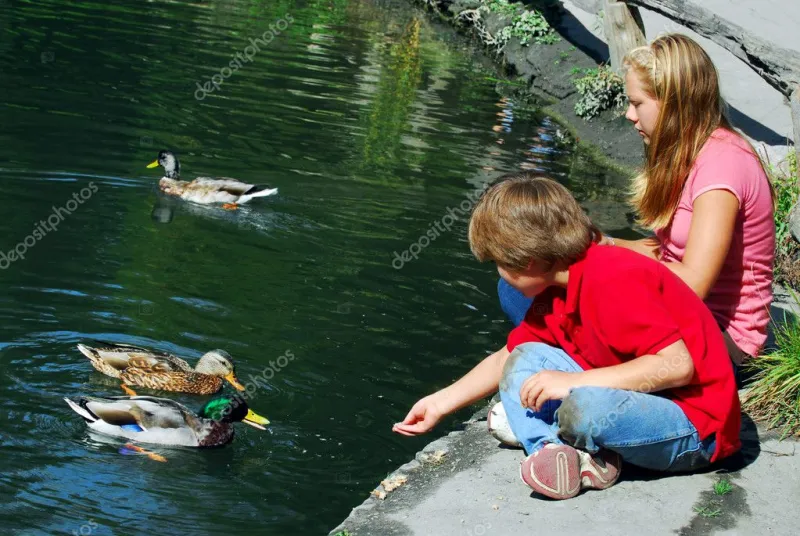
Photo: child feeding ducks at pond with parent smiling outdoors, via static4.depositphotos.com
Picture this: you're standing at the edge of a pond somewhere in middle America — maybe a park in Ohio, a nature trail in Texas, or a neighborhood retention pond in suburban Florida — and a mallard looks you dead in the eyes and lets out a rapid-fire series of quacks. Your five-year-old turns to you and asks, "What did it say?"
Here's the thing: that duck said something. And if you play your cards right, this moment could become one of the most surprisingly rich teaching opportunities of your entire parenting career. Welcome to what we here at Ducky Channel lovingly call Quack Academy — no tuition required, just a bag of approved waterfowl-friendly snacks and a willingness to really, truly listen.
Ducks Have More to Say Than You Think
Most people assume ducks just quack. Loudly. Repeatedly. Occasionally at 6 a.m. outside your vacation rental. But the reality is far more interesting. Ducks communicate through a surprisingly layered system of vocalizations, body postures, and even subtle head movements that researchers have spent decades trying to fully understand.
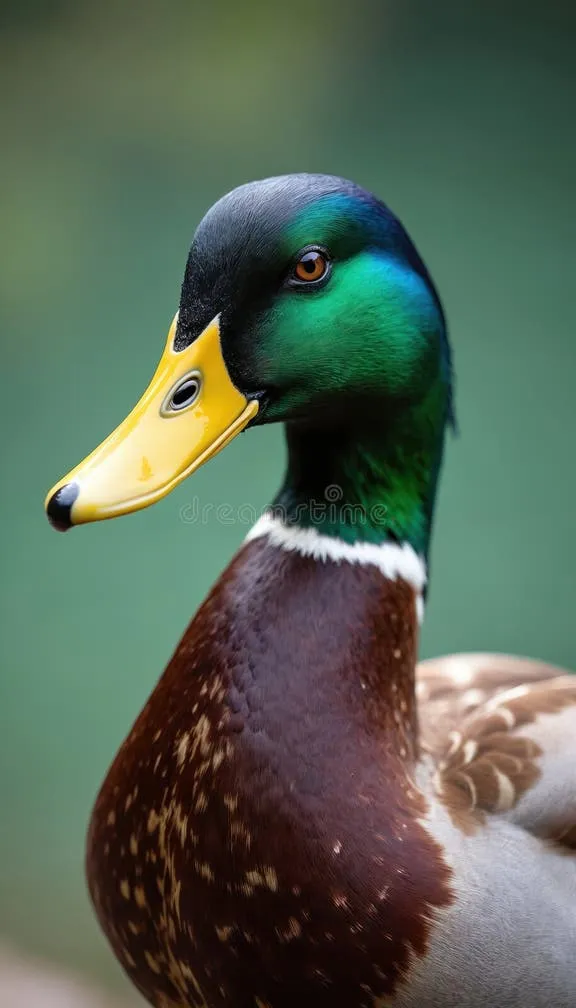
Female mallards — the classic "QUACK QUACK" duck most kids picture — actually use different quack patterns to communicate different things. A long, loud series of quacks often signals alarm or a call to gather the group. A softer, more rhythmic series of quieter quacks? That's frequently a contact call, basically duck-speak for "Hey, I'm over here, where are you?" Male mallards, on the other hand, tend to make a much softer, almost nasally "raeb-raeb" sound. It's quieter. More reserved. Kind of like that one kid in class who doesn't talk much but always has something worth hearing.
Then there are the whistles. Wood ducks produce a distinctive, almost cartoonishly dramatic "oo-EEK" sound. Teal ducks make high-pitched peeping calls. Some species produce low, grunting sounds that feel more like a frog than a bird. The duck world is, in short, a full-on symphony — and most of us have been walking right past it without buying a ticket.
Why This Matters for Your Kids (Way Beyond the Pond)
Here's where Quack Academy gets really good. Teaching children to observe and interpret animal communication isn't just a fun nature activity — it's a backdoor into some seriously important social-emotional learning.
Listening as a skill, not a reflex. Most kids hear things. Fewer actually listen. When you encourage a child to stand quietly at a pond and try to notice differences in duck sounds — not just that a duck is making noise, but what kind of noise and why — you're training their brain to pay attention in a more intentional way. That same muscle gets used when they're listening to a friend explain why they're upset, or a teacher giving multi-step instructions.
Non-verbal communication is everywhere. Ducks don't just talk with sound. A duck that lowers its head and rushes toward another duck is communicating dominance. A duck preening calmly next to another duck is communicating comfort and trust. Kids who learn to read these physical cues in animals often develop a sharper eye for body language in humans, too. It's basically a free empathy workshop, hosted by birds.
Patience gets rewarded. You can't rush a duck into performing its full vocal range on command. (Trust us. We've tried. It doesn't work.) Children who learn to wait quietly and observe are building genuine patience — a skill that's increasingly rare and increasingly valuable.
How to Run Your Own Backyard Quack Academy
You don't need to live near a wildlife refuge to make this work. A local park pond, a community lake, or even a YouTube playlist of duck vocalizations can get the conversation started. Here's a simple framework that works great for kids ages four and up:
Step 1: Introduce the idea of animal "words." Before you even leave the house, tell your child that ducks have their own language — just like how dogs bark differently when they're scared versus when they want to play. Ask them to think about how they sound different when they're happy, scared, or tired. This plants the seed.
Step 2: Bring a notebook. Have your child draw or write down every different duck sound they hear. Don't worry about accuracy — the act of paying close enough attention to record something is the whole point. Older kids can try to describe the sounds ("fast and loud," "soft and low," "like a squeaky toy"). Younger kids can draw a duck face with an expression that matches what they think the sound means.
Step 3: Make guesses together. Ask questions like: "Why do you think that duck made that sound?" "Did any other ducks respond?" "Did the duck look scared or relaxed?" There are no wrong answers here. The goal is curiosity, not ornithology certification.
Step 4: Connect it back to people. On the drive home, bring it around: "Can you think of a time you felt like that duck that was calling really loudly? What were you trying to say?" This is where the magic happens. Kids start connecting the dots between what they observed in animals and what they experience in their own social world.
The Ripple Effect of Listening Well
One of the most beautiful things about teaching kids to tune into animal communication is that it normalizes the idea that everyone — human, duck, dog, or otherwise — is trying to express something. Not everyone uses the same words. Not everyone is loud about it. Some of the most important messages come in quiet, easy-to-miss packages.
Kids who grow up understanding this tend to become better friends, better listeners, and more thoughtful communicators. And honestly, that's a lesson the world could use a whole lot more of right now.
So the next time a duck looks at your kid and unleashes a string of enthusiastic quacks, don't just laugh it off. Lean in. Ask your child what they think it meant. Because somewhere between the pond and the parking lot, a real conversation might just start — and this time, it'll be your kid doing the listening.
Class dismissed. Quack.