5 Beautiful Life Lessons Your Kids Pick Up Just by Watching Ducks on TV
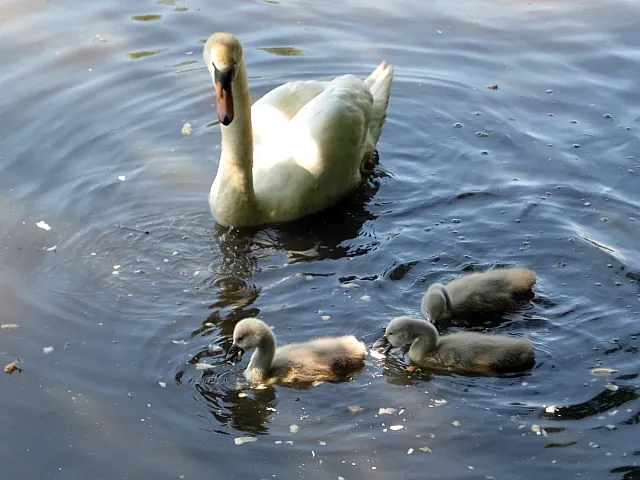
Photo: Mike Kirby, CC BY-SA 2.0, via Wikimedia Commons
There is a very specific kind of parenting magic that happens when you put on a nature documentary, fully intending to have thirty minutes of quiet, and then look over to find your seven-year-old absolutely riveted by a family of mallards navigating a city park pond. Suddenly the snack requests stop. The sibling bickering pauses. Everyone is just... watching ducks.
This is not an accident. Ducks — and waterfowl in general — are genuinely fascinating creatures, and the best nature programming knows how to frame their stories in ways that resonate deeply with young viewers. At Ducky Channel, we've spent a lot of time thinking about what makes ducks so universally compelling (occupational hazard), and we've come to believe that the best duck documentaries are quietly teaching our kids some of the most important lessons they'll ever learn.
Here are five of the biggest ones.
1. Teamwork Isn't Optional — It's How You Survive
Watch any quality footage of migrating ducks or geese, and you'll witness one of nature's most elegant examples of collective effort. The famous V-formation that waterfowl use during migration isn't just pretty — it's aerodynamically efficient, with each bird reducing wind resistance for the one flying behind it. The lead bird rotates regularly so no single duck carries the burden alone.
For kids, this is a concrete, visual representation of why working together beats going it alone. No lectures required. The ducks just show them.
Show Recommendation: Mutual of Omaha's Wild Kingdom (streaming on various platforms) and PBS's Nature series both feature stunning migration sequences. For younger viewers, BBC's One Planet, One Future clips available on YouTube Kids offer age-appropriate narration.
Family Discussion Prompt: After watching, ask your child: "Who was the leader in that group? Did the leader stay the same the whole time? Why do you think they took turns?" Then connect it to something in their life — a group project, a sports team, or even sharing chores at home.
Activity: Grab some sidewalk chalk and have your kids draw a V-formation. Label each duck with a name and a job. Who's leading today? Who's resting? Switch it up and talk about how it feels to lead versus support.
2. Mama (and Papa) Love Looks Like Showing Up Every Single Day
Few things in the animal kingdom are as quietly moving as a duck parent raising a brood. Mother ducks incubate their eggs for nearly a month, barely leaving the nest. Once the ducklings hatch, she keeps them warm, guides them to water, and protects them from predators — sometimes at serious risk to herself. In many species, fathers are active participants too, standing guard and helping lead the family to safer territory.
Children who watch this behavior — especially in documentary footage where the camera lingers on these small, tender moments — often make the connection to their own families without any prompting. They just feel it.
Show Recommendation: Planet Earth II (available on BBC America and streaming services) includes breathtaking urban wildlife sequences featuring ducks navigating surprisingly dangerous city environments with their young. Tissues are recommended. We're not crying. You're crying.
Family Discussion Prompt: "What did the mama duck do when her babies were scared? Have you ever felt like that? What did someone do to help you feel safe?"
Activity: Start a "Family Nest" journal — a shared notebook where family members leave each other little notes of encouragement, just like a mama duck keeps her eggs warm. It sounds corny. Kids absolutely love it.
3. Resilience Means Getting Back on the Water
Ducks fall off things. They get chased. They crash land. They get separated from their group. And then — and this is the part that matters — they shake it off and keep going. Literally. That classic "water off a duck's back" expression exists for a reason: ducks have waterproof feathers, and nothing seems to stick to them for long.
For kids who struggle with setbacks (so, all of them, at various points), watching a duckling take a tumble and immediately paddle back toward its family is genuinely instructive. The world didn't end. The duck tried again.
Show Recommendation: Kratts' Creatures and its spiritual successor Wild Kratts (PBS Kids) frequently feature waterfowl episodes with age-appropriate storytelling that highlights animal resilience in an exciting, adventurous format. Both are beloved by the elementary school crowd and don't require a streaming subscription — PBS Kids is free.
Family Discussion Prompt: "Did that duck give up when it fell? What do you think would have happened if it just stayed on the bank? Can you think of a time you tried again after something was hard?"
Activity: Make "rubber duck" affirmation cards together. Write one resilience phrase on each card ("I can try again," "Mistakes help me learn," "I am tougher than I think") and decorate them with duck drawings. Keep them somewhere visible — on the fridge, in a lunchbox, or taped to a bedroom mirror.
4. Every Creature Deserves a Clean, Safe Home
Some of the most powerful environmental awareness moments in children's media come not from heavy-handed messaging but from simple, honest footage of animals thriving — or struggling — in their natural habitats. Duck and wetland documentaries are particularly effective at this because wetlands are among the most threatened ecosystems in the United States, and yet they're also some of the most visually stunning.
When a child watches a family of wood ducks gliding through a pristine forest pond and then sees footage of polluted or dried-up wetlands, the emotional contrast does the teaching. They don't need a lecture. They need to see what's at stake.
Show Recommendation: National Geographic Wild features excellent US-based wetland content, and the National Audubon Society's YouTube channel offers free, family-friendly clips about duck conservation efforts happening right now in states like Louisiana, Minnesota, and California.
Family Discussion Prompt: "Where do those ducks live? What do they need to survive? Is there anything that might make it harder for them to find clean water or food?"
Activity: Take a trip to a local nature center, wildlife refuge, or even a city park with a pond. Bring a small bag and pick up any litter you find. Talk about why keeping waterways clean matters for the animals who call them home. Bonus points if you spot an actual duck.
5. True Friendship Means Staying Close When Things Get Hard
Ducks are social animals. Many species mate for life, and even those that don't tend to travel in groups, look out for one another, and communicate constantly with their iconic calls. When one duck is injured or struggling, the group often slows down. In some documented cases, individual ducks have been observed staying near an injured companion rather than abandoning them.
For kids who are learning how to be a good friend — which is, honestly, one of the hardest things a human being ever learns to do — this kind of footage offers a gentle, non-preachy model. Real loyalty looks like staying when it would be easier to go.
Show Recommendation: Nature on PBS has aired several episodes over the years focusing on duck pair bonds and flock behavior. Episodes are available on PBS.org and are appropriate for school-age children with minimal parental guidance needed.
Family Discussion Prompt: "Why do you think that duck stayed with its friend? What does it feel like when someone stays with you when you're having a hard time? What's one way you could be that kind of friend this week?"
Activity: Have your child draw or write about their "flock" — the three to five people (or pets!) they feel safest with. Encourage them to think about what makes those relationships feel good and what they contribute to keep the group strong.
The Takeaway (It's a Good One)
Nature programming is one of the most underrated tools in the parenting toolkit. It's screen time that builds empathy, environmental awareness, and emotional vocabulary — all while your kid thinks they're just watching cute animals do funny things. Which, to be fair, they also are.
Ducks, in particular, have a way of making the biggest lessons feel small and manageable. Teamwork. Resilience. Love. Friendship. Environmental responsibility. These aren't abstract values when you've watched a mama mallard guide her twelve ducklings across a busy road in downtown Chicago. They're just... what you do.
So next time you're looking for something to watch as a family, skip the superhero sequel and find a good duck documentary instead. Your kids will learn something wonderful. And honestly? So will you.
Looking for more family-friendly content recommendations? Waddle on over to our Ducky Channel Watch List for our editors' top picks every month!