Nature's Runway: How Ducks Change Their Look All Year Long and Why Kids Should Be Taking Notes
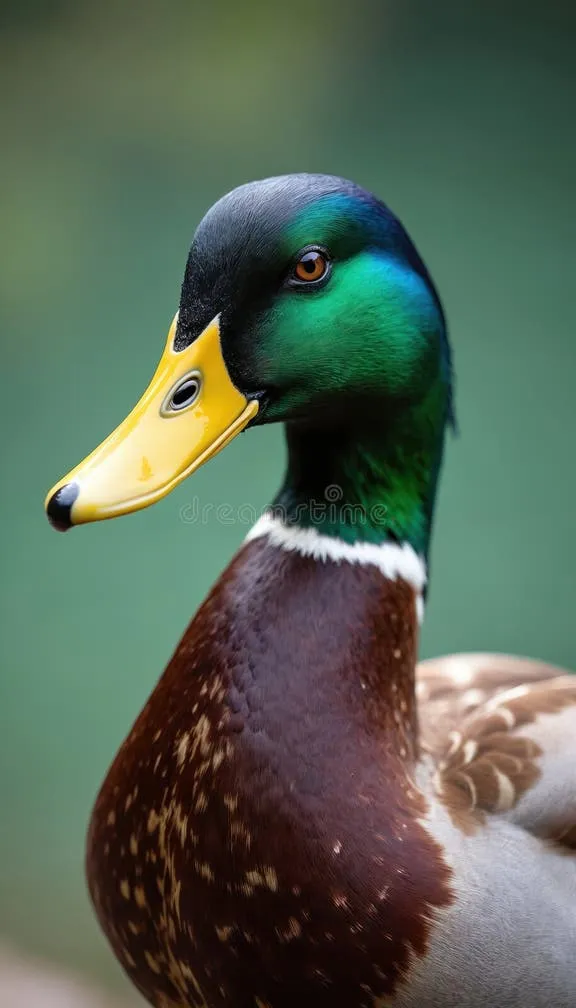
Photo: colorful mallard duck close up feathers pond nature wildlife, via thumbs.dreamstime.com
If your kid has ever pointed at a mallard and confidently announced, "That's a girl duck," only to be mildly scandalized to learn it was actually a male in his off-season plumage — congratulations. You've just stumbled into one of nature's most underappreciated science lessons. Duck feathers are not a fixed, permanent thing. They are, in fact, a constantly shifting, biologically driven wardrobe that changes with the seasons, the breeding cycle, and the species — and it is spectacular.
Here at Ducky Channel, we think this particular corner of the natural world deserves a whole lot more attention than it gets. So consider this your official field guide to duck fashion — complete with the science, the seasonal calendar, and a few activities to turn your little one into a genuine feather detective.
What Even Is Molting, and Why Does It Sound Weird?
Let's start with the basics. Molting is the process by which birds shed old feathers and grow new ones. It's completely normal, totally natural, and honestly kind of amazing when you think about it. Humans get haircuts. Ducks get entire wardrobe overhauls — twice a year, on a biological schedule, without ever having to make an appointment.
For most dabbling ducks (the kind you see tipping upside down in shallow ponds — yes, that's a technical term), there are two main molts per year:
The Breeding Plumage Molt (Pre-Basic Molt): This is the showstopper. Heading into late fall and winter, male ducks — called drakes — develop their most vivid, eye-catching feathers. This is nature's version of putting on your best outfit to impress someone. A male mallard in full breeding plumage sports that iconic iridescent green head, crisp white collar, and rich chestnut chest. Wood duck males become so outrageously colorful they look like they were designed by a kindergartner with unlimited markers. It's a lot. It's wonderful.
The Eclipse Molt: After breeding season wraps up in late spring and early summer, male ducks go through what's called the eclipse molt — and this is where it gets interesting. For a few weeks, drakes shed their flashy feathers and take on a much more muted, brownish appearance that looks startlingly similar to females. During this period, they also temporarily lose their flight feathers, making them vulnerable to predators. Lying low and looking unremarkable is, for a few weeks, a genuine survival strategy. It's basically nature's version of blending into the background at a party when you're not feeling it.
A Season-by-Season Style Guide
Here's a rough seasonal breakdown of what to look for at your local pond, which makes a fantastic framework for a year-round observation project with kids:
Fall & Winter (October–February): Peak drama. This is when drakes are in full breeding plumage and looking absolutely ridiculous in the best possible way. Take your kids to a park pond and challenge them to find as many different male duck species as they can. Mallards, wood ducks, buffleheads, and hooded mergansers are all showing off their best looks. Sketch them. Photograph them. Marvel at them.
Spring (March–May): Breeding season is active. Pairs are forming. Females are building nests. Males are still in their peak plumage but starting to look a little worn around the edges — literally. Watch for feather wear, which can make colors look slightly faded compared to December.
Early Summer (June–July): Eclipse season begins. Male ducks start looking suspiciously like females, which is endlessly confusing and endlessly fun to explain to kids. This is also when you might spot ducks hanging out in dense vegetation more than usual, since they're temporarily flightless and being sensibly cautious about it.
Late Summer (August–September): New breeding plumage begins to emerge. You can actually watch the transformation happen in real time if you visit regularly — a subtle shift from dull brown back toward the vivid colors of winter. It's like watching a nature documentary in your own neighborhood.
The Science Behind the Colors
Here's a genuinely cool fact to share with your kids: not all duck colors work the same way. Some of those stunning blues and greens you see on duck feathers aren't actually pigment colors — they're structural colors. That means the color is produced by the way microscopic structures in the feather reflect light, similar to how a soap bubble shows rainbow colors even though it has no dye in it.
The iridescent green on a mallard's head? Structural color. Depending on the angle of the light, it can shift from green to blue to almost black. This is a fantastic jumping-off point for talking to kids about light, optics, and the physics of color — a concept that pops up in middle school and high school science but can be introduced in a totally accessible, visually concrete way at the age of five.
Junior Ornithologist Activity Pack
Want to turn this into a proper ongoing project? Here are a few activities that work across different age groups:
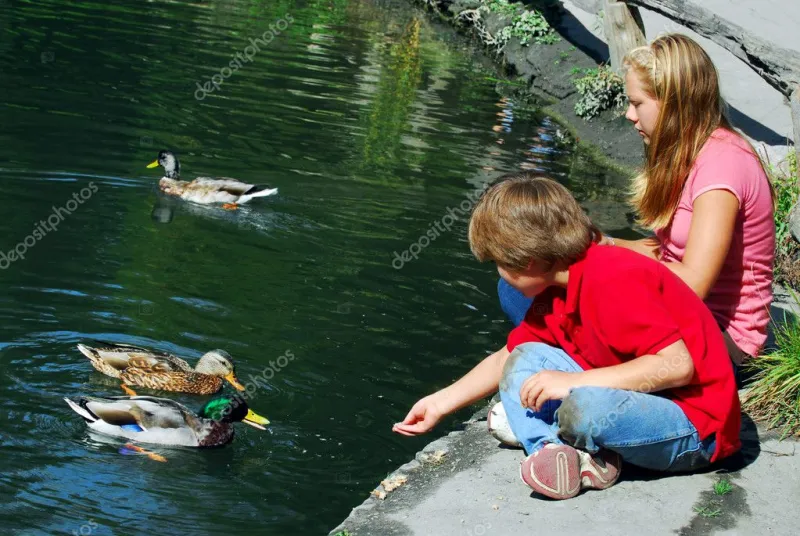
The Seasonal Duck Diary (Ages 4–8): Visit the same pond once a month for a year. Each visit, draw or photograph the same duck species (mallards work great since they're everywhere in the US). At the end of the year, lay all the images out in order and notice how the colors and patterns changed. It's a visual timeline of biological change that kids can actually see and feel proud of.
Feather Color Science Experiment (Ages 6–10): Grab a prism or even a CD (yes, they still exist), and show kids how white light splits into rainbow colors depending on the angle. Connect this to structural color in duck feathers. Then look up close-up photos of iridescent duck plumage online and ask: "Does the color change when you tilt the picture?" Spoiler: it does.
Species ID Challenge (Ages 8–12): Download a free bird identification app like Merlin (from the Cornell Lab of Ornithology — it's excellent and genuinely free). Challenge older kids to correctly identify five duck species by their plumage during a single park visit. Award bonus points for identifying whether a bird is in breeding or eclipse plumage. This builds both scientific vocabulary and careful observational skills.
Design Your Own Duck (All Ages): After learning about how and why duck plumage changes, invite kids to design their own fictional duck species — complete with seasonal plumage variations. What would it look like in winter? Summer? What would its eclipse plumage be? This combines art, creative thinking, and scientific reasoning in a way that's genuinely delightful.
Why This Is Way More Than a Nature Walk
Tracking duck plumage through the seasons teaches kids something that's surprisingly hard to convey in a classroom: that nature operates on cycles, that change is built into living systems, and that paying close attention over time reveals patterns that aren't visible in a single glance.
It also builds the habit of looking carefully — of noticing the difference between two brown ducks that initially seem identical, or catching the moment when a new iridescent feather starts emerging in late August. That skill — slowing down, looking closely, noticing change — is foundational to science, art, and honestly just being a thoughtful person.
Plus, it gives kids a reason to go outside regularly, look up from their screens, and find something genuinely surprising in the world around them. And if that surprise happens to be wearing an iridescent green head and looking extremely pleased about it? All the better.
See you at the pond. Binoculars optional, curiosity mandatory.