Feathers, Mud, and Memories: How to Turn Your Backyard Into a Duck Discovery Zone

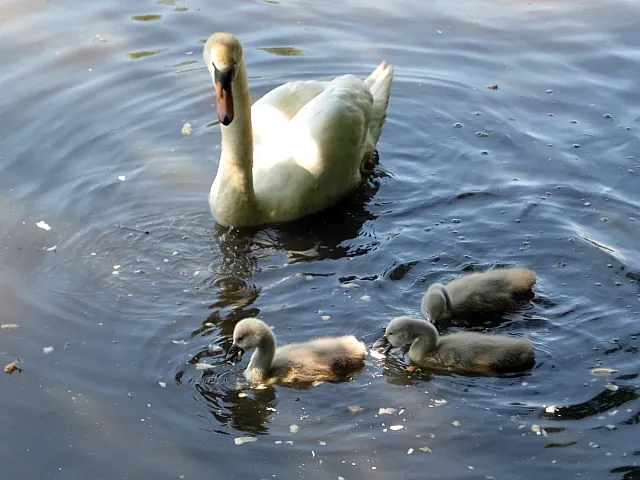
Photo: WeHaKa, CC BY-SA 4.0, via Wikimedia Commons
Somewhere between the third viewing of a duck-themed episode and the moment your seven-year-old looked up and asked, "Can we get a duck?" — you probably knew this day was coming. And honestly? It might be one of the best questions they've ever asked.
Creating a backyard space dedicated to duck observation (or even duck keeping, if you're feeling adventurous) is one of those rare activities that somehow manages to be educational, character-building, and genuinely fun all at the same time. It's also, fair warning, at least a little bit messy. But the best learning usually is.
Here at Ducky Channel, we believe the outdoors is the world's greatest classroom. So let's talk about how to set one up right in your own backyard.
First Things First: Are You Observing or Keeping?
Before you buy a single bag of cracked corn or dig a single shovelful of dirt, you need to decide what kind of duck experience you're going for. There are two main options, and they require very different levels of commitment.
Option A: The Wildlife Observation Garden This is the lower-commitment path, and honestly, it's wonderful. You're not keeping ducks — you're creating a habitat that attracts wild ducks and other waterfowl, so your family can observe them in their natural behavior. Think of it as building a living nature documentary in your backyard.
Option B: Domestic Duck Keeping This is the full adventure. You're raising ducks — likely breeds like Pekin, Khaki Campbell, or Indian Runner — as part of your household. This requires local zoning approval (check your city or county ordinances first — many suburban areas allow backyard poultry, including ducks, but rules vary widely across the US), appropriate housing, daily care, and a family commitment that rivals owning a dog.
Both options are fantastic for kids. Just know which road you're on before you start packing.
Building a Wildlife-Friendly Duck Garden
If you're going the observation route, your goal is to make your yard irresistible to passing waterfowl — particularly if you're near a flyway, a wetland, or even a neighborhood pond.
Water Is Everything
Ducks need water for drinking, bathing, and preening. A shallow, wide water feature — even a repurposed galvanized stock tank or a pre-formed pond liner from your local garden center — can work beautifully. Aim for a depth of at least 12 to 18 inches in one section so ducks can actually dip their whole head under (they need to keep their eyes and nostrils clear). Add a gentle bubbler or small pump to keep the water moving; ducks are attracted to the sound and movement of flowing water, and it also prevents mosquito breeding.
Kid involvement tip: Let your children design the pond layout on paper first. How deep should it be? Where should the "beach" entry point go? This is engineering thinking wrapped in a fun project, and it gives kids genuine ownership over the space.
Native Plants Are Your Best Friends
Edge your water feature with native aquatic and semi-aquatic plants. In most US regions, options like pickerelweed, blue flag iris, cattails, and native sedges do double duty: they look beautiful, they filter the water naturally, and they provide cover and food for visiting wildlife. Avoid invasive species — your local cooperative extension office (every state has one, and they're free to contact) can give you a region-specific plant list.
Bonus: researching native plants with your kids is a perfect rainy-day activity that sneaks in botany, ecology, and even a little geography.
Skip the Bread, Stock the Right Snacks
If wild ducks visit, resist the urge to feed them white bread. It's nutritionally worthless and can actually harm developing birds. Instead, keep a small container of cracked corn, plain oats, or defrosted frozen peas nearby. Let your children take turns being the "wildlife steward" responsible for appropriate feeding. Limit feeding to small amounts — the goal is observation, not dependency.
Setting Up a Domestic Duck Space
If you've done your research, checked local ordinances, and your family is ready for the full commitment, domestic duck keeping is an extraordinary experience for children. Here's a basic framework to get started.
Housing: The Duck Lodge
Ducks don't roost in trees like chickens, so their coop can be ground-level and simple. A basic duck house needs to be predator-proof (raccoons, foxes, and opossums are real threats across most of the US), well-ventilated, and bedded with straw or pine shavings. A space of roughly four square feet per duck inside the house is a good starting point.
Building the duck house together as a family weekend project is highly recommended. Even young children can help with painting, carrying materials, or deciding on the design. Name it something ridiculous. The "Quack Shack" is already taken in approximately 40,000 backyards nationwide, but we believe in you.
The Run and Water Setup
Ducks need an outdoor run — a fenced area where they can roam safely. They also need a water source large enough to dip their heads. A heavy-duty rubber livestock tub works great and is easy to clean. Be prepared: ducks will make an absolute swamp out of their immediate surroundings. This is not a malfunction. This is just ducks being ducks.
Responsibility lesson: Assign your child a specific, age-appropriate daily task — refilling the water, collecting eggs if you have laying breeds, or checking that the house latch is secured at night. Consistency in animal care is one of the most powerful character-building experiences available to children, full stop.
Seasonal Changes: Teaching Kids That Nature Has a Calendar
One of the most valuable things a backyard duck habitat teaches children is that the natural world operates on cycles. Spring means new growth, nesting behavior, and baby ducklings if you have a breeding pair. Summer is peak activity. Fall means wild visitors migrating through if you've built an observation garden. Winter requires extra care — making sure water doesn't freeze solid, providing extra bedding, and understanding that animals have seasonal needs just like people do.
Keep a family nature journal. Sketch what you see. Note the date of the first wild duck visit each season. Track egg production in domestic ducks across different months. Over a year, your family will have built a genuine scientific dataset — and a collection of memories that no screen time can replicate.
The Bigger Picture
A backyard duck space isn't really about ducks. It's about teaching children that living things depend on us to pay attention. It's about the particular kind of patience that only comes from waiting quietly for a wild bird to decide you're safe. It's about the pride on a kid's face when they explain to a visiting friend exactly why the duck pond has native plants around the edge.
It's about building the kind of curious, caring humans the world genuinely needs — one muddy afternoon at a time.
And if it also results in some truly excellent duck photos for the family group chat? That's just a bonus.