Stop Feeding Ducks Bread! Here's What to Bring to the Pond Instead
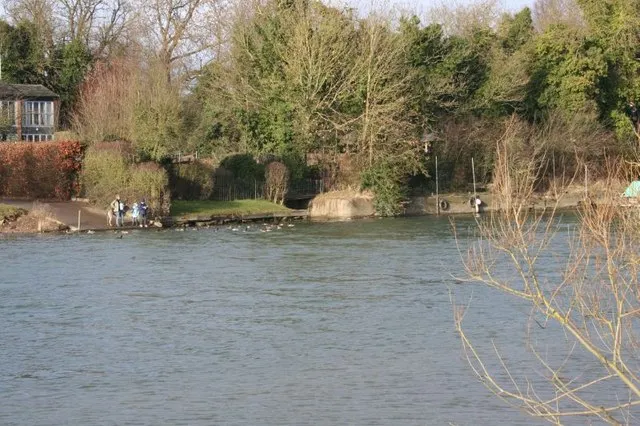
Photo: Bill Nicholls, CC BY-SA 2.0, via Wikimedia Commons
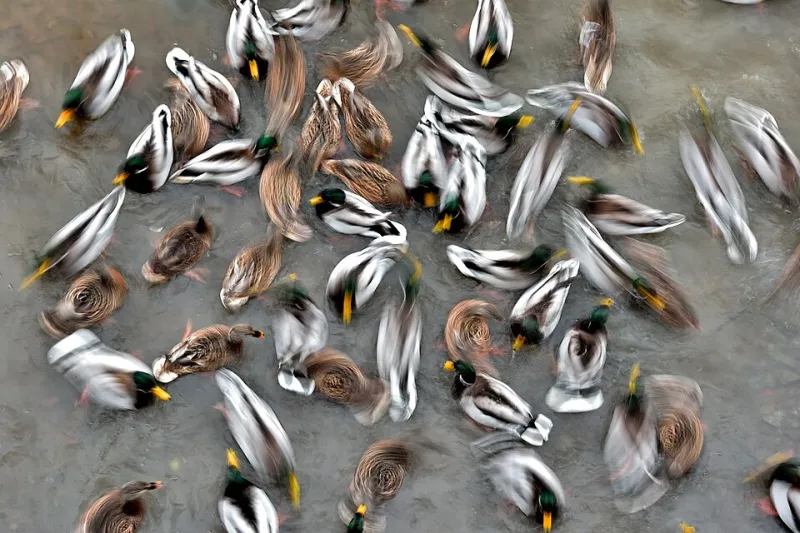
Picture the scene: a sunny Saturday afternoon at your local park. You've got a bag of leftover hot dog buns, your kids are vibrating with excitement, and a flotilla of ducks is paddling toward you with the focused energy of creatures who have been waiting for this exact moment their whole lives.
It feels wholesome. It feels classic. It feels like a Norman Rockwell painting come to life.
And it is — mostly. Except for the bread. The bread is, scientifically speaking, a problem. A big, squishy, well-intentioned problem.
Here at Ducky Channel, we're not here to ruin your park day. We're here to make it better — with real science, genuinely fun alternatives, and a family activity that turns your casual duck visit into a legitimate wildlife conservation experience. Let's get into it.
Why Bread Is Bad News for Ducks (The Science Part, Made Fun)
Okay, so why is bread harmful? It's not poisonous — a duck won't keel over after eating a piece of Wonder Bread. The problem is more sneaky than that, and understanding it is actually a cool little biology lesson.
Bread, crackers, chips, and most processed human foods are what nutritionists would call "empty calories." They fill a duck's stomach without providing the proteins, vitamins, and minerals the bird actually needs to survive and thrive. When ducks fill up on bread, they skip the nutritious natural foods — aquatic plants, insects, small fish, seeds — that their bodies are designed to eat.
In ducklings, this leads to a genuinely distressing condition called angel wing syndrome. It's exactly as dramatic as it sounds. When young ducks grow too fast on a carb-heavy diet, the bones in their wings develop abnormally, causing the wings to twist outward permanently. Ducks with angel wing syndrome can't fly. Ever. It's irreversible, and it's significantly more common in ponds where people regularly feed ducks bread.
On top of that, uneaten bread that sinks to the bottom of a pond encourages the growth of harmful bacteria and algae. This degrades water quality for every living thing in the ecosystem — fish, turtles, frogs, and yes, the ducks themselves.
So that bag of hot dog buns? It's basically pond pollution wrapped in good intentions.
What Do Ducks Actually Want to Eat?
Here's the fun part — and the part your kids are going to love, because it involves a shopping list and a sense of purpose.
Ducks are omnivores with specific nutritional needs, and there are several human foods that are genuinely safe and healthy to offer in small amounts. Wildlife experts and waterfowl rehabilitators generally give the green light to the following options:
Cracked corn is probably the gold standard of duck-approved snacks. It's cheap, widely available at farm supply stores and many pet shops, and ducks absolutely go bananas for it. Scatter a small amount at the water's edge and watch the feeding frenzy begin.
Defrosted frozen peas (cut in half for smaller ducks) are another winner. They're soft, digestible, and nutritionally far superior to bread. Plus, watching a duck eat a pea is objectively one of the funniest things in nature.
Leafy greens like romaine lettuce or kale, torn into small pieces, mimic the aquatic vegetation ducks naturally graze on. Toss them into the water and the ducks will dabble for them just like they would in the wild.
Oats — plain, uncooked rolled oats, not the flavored instant packets — are a surprisingly good duck snack. They're soft, easy to digest, and don't expand dangerously in a bird's stomach the way some dry foods can.
Grapes cut into small pieces are like candy to ducks. Use sparingly as a treat, but kids tend to find this one particularly exciting to offer.
What you want to avoid, beyond bread, includes anything salty, anything sugary, popcorn, chips, crackers, and citrus fruits. If it came out of a vending machine, it probably shouldn't go in a duck.
Turning the Pond Visit Into a STEM Adventure
Okay, here's where Ducky Channel gets into full gear, because a trip to the pond with the right snacks isn't just a feeding trip — it's a field science experience. And we have the activities to prove it.
Activity 1: The Duck Food Experiment Bring two or three different approved snacks — say, cracked corn, peas, and oats — and keep track of which ones the ducks choose first. Have your kids make a hypothesis before you arrive: "I think the ducks will like the peas best." Then observe and record. You've just conducted a legitimate animal preference study. Science!
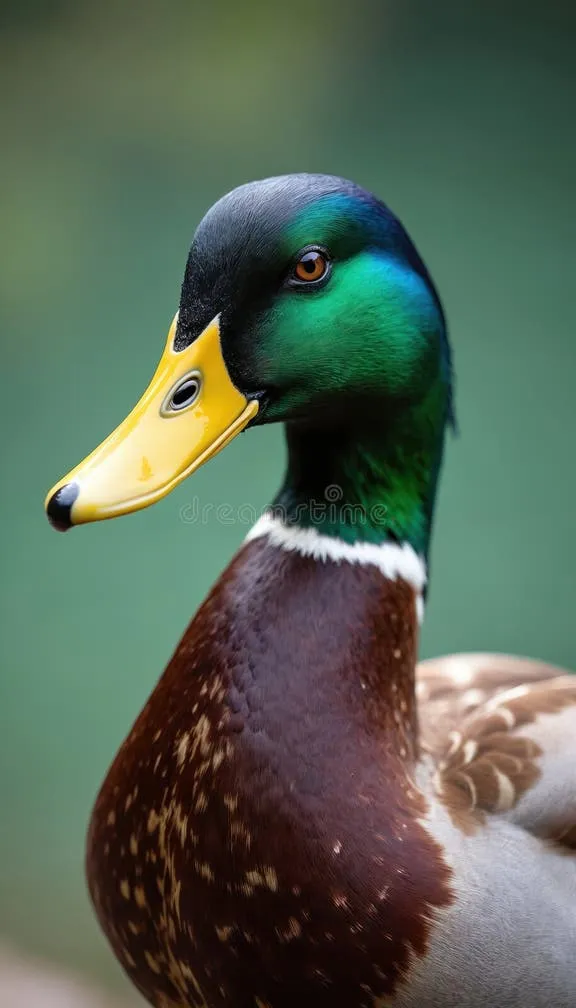
Activity 2: Sketch a Duck Field Journal Bring a small notebook and colored pencils. Have your kids draw the ducks they see, note the species (mallards are the most common in the US, with their distinctive green heads on males), and record behaviors. Are the ducks dabbling (tipping forward to eat underwater vegetation)? Preening? Chasing each other? Documenting animal behavior is exactly what wildlife biologists do for a living.
Activity 3: Water Quality Observation Before and after your visit, look at the water near the bank. Is it clear or murky? Are there algae blooms? Green or brown foam? Talk with your kids about what healthy pond water looks like versus a pond that's struggling. This opens the door to conversations about ecosystems, pollution, and environmental stewardship.
Activity 4: Responsible Feeding Pledge This one's for the littlest explorers. Before leaving the pond, have each child make a "Duck Promise" — a simple verbal or written pledge to always bring healthy snacks for the ducks and to tell one friend or family member why bread is harmful. Kids who make this kind of commitment are more likely to carry the knowledge forward and share it.
What to Do If You See Others Feeding Ducks Bread
This is a genuinely tricky social situation, and it's worth preparing your kids for it. If another family at the pond is feeding the ducks bread, the instinct might be to march over and deliver a lecture. We'd gently suggest a different approach.
Most people who feed ducks bread don't know it's harmful — they're doing it out of kindness, just like you probably were before reading this article. A friendly, non-judgmental conversation goes a long way. Your kids can even take the lead: "Did you know ducks actually like peas better than bread? We brought some if you want to try!" Kids saying this lands completely differently than adults saying it, and it tends to be received with curiosity rather than defensiveness.
You're not just teaching your kids wildlife science — you're teaching them how to share information with grace and enthusiasm. That's a life skill right there.
The Bigger Splash
A trip to the duck pond is one of those simple, timeless family activities that doesn't require a screen, a ticket, or a reservation. It's free, it's outside, and it connects kids to the natural world in a direct, tangible way.
But when you swap out the bread bag for a container of cracked corn and a handful of peas, something shifts. The visit becomes intentional. Your kids aren't just tossing food at birds — they're making choices based on science, practicing environmental responsibility, and developing real care for creatures outside their immediate world.
That's the kind of adventure we're all about here at Ducky Channel. Same pond, same ducks, way better snacks — and a whole lot more learning happening than anyone expected on a Saturday afternoon.
Now go find some peas.