It's Not Just Quacking: The Wild, Weird, and Wonderful Language of Ducks Explained for Curious Kids

Photo: PJeganathan, CC BY-SA 4.0, via Wikimedia Commons
Quick quiz: What sound does a duck make?
If you said "quack," congratulations — you've fallen for one of nature's most persistent oversimplifications. You're in good company. Virtually every rubber toy, cartoon character, and barnyard sound book on the planet has been peddling this incomplete information for decades. But here at Ducky Channel, we believe kids deserve the full, gloriously complicated truth.
Ducks are not quacking at you. They are communicating with you. And once your kid learns the difference, they will never look at a pond the same way again.
First, Let's Address the Quack Situation
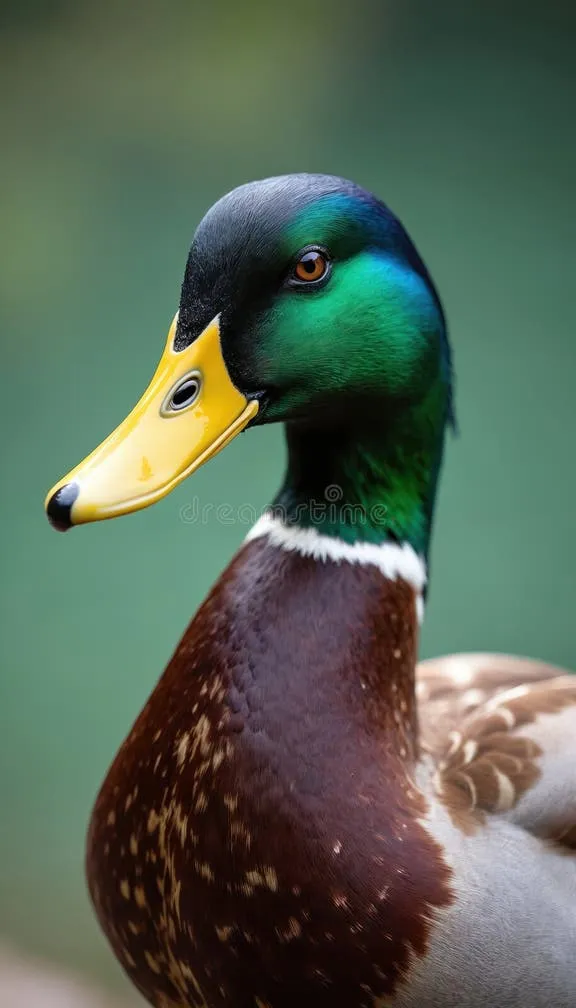
Okay, yes. Some ducks quack. Specifically, the female mallard — the most common duck in North America — produces that iconic, resonant "QUACK" that has become shorthand for all duck communication everywhere. She's basically the spokesperson the whole species never asked for.
But here's the twist: male mallards don't quack. They make a quiet, raspy, almost embarrassed-sounding "raeb-raeb" noise that sounds like a duck who just lost a bet. It's softer, lower, and nothing like what you'd expect. If you've ever stood at a pond and noticed one duck being significantly less loud than the others, you've probably already heard this and just didn't know what you were listening to.
So right out of the gate, the quack myth has a hole in it. Let's keep going.
The Duck Species That Never Got the Quack Memo
North America is home to dozens of duck species, and the vocalization variety is genuinely spectacular. Here's a quick field guide to some of the most surprising communicators your kids might encounter:
The Whistling Duck: Nature's Tiny Teakettle
Black-bellied and fulvous whistling ducks, found in Texas, Florida, and along the Gulf Coast, produce a high-pitched, musical whistle that sounds almost nothing like a duck and almost exactly like a small bird who has opinions. These ducks are also notably social and loud, which makes them excellent candidates for a backyard sound journal entry.
The Wood Duck: The Squeaker
Wood ducks, one of the most visually stunning species in the US, communicate with a rising, squeaky call that sounds like "oo-EEK." The female uses a drawn-out version of this call when flushed from her nest — a sound that wildlife researchers describe as alarm-like and that kids typically describe as "hilarious."
The Northern Pintail: The Quiet Philosopher
Male pintails are famously understated. Their call is a soft, mellow whistle and a low burping trill that you could genuinely miss if you weren't paying attention. These are the introverts of the duck world, and honestly, deeply relatable.
The Ruddy Duck: The Bubbler
Male ruddy ducks during breeding season make a series of low, mechanical-sounding pops and bubbling notes — almost like someone tapping on a hollow log underwater. This is produced partly by the duck rapidly pumping its bill against its chest feathers, which is both bizarre and scientifically fascinating.
The Bufflehead: The Squeaky Toy
These tiny, round, extremely enthusiastic diving ducks produce a high squeaky call that will immediately make every child within earshot look around for a dog toy. Buffleheads are found across the US during winter months and are well worth a morning birdwatching trip.
What Are They Actually Saying?
Here's where it gets genuinely cool from a science perspective. Duck vocalizations aren't random noise — they're a structured communication system with distinct meanings. Ornithologists (that's the fancy word for bird scientists, and kids should absolutely use it at school) have identified several categories of duck calls:
- Contact calls: "Hey, I'm over here, where are you?" — Used to stay connected with flock members.
- Alarm calls: "SOMETHING IS VERY WRONG, EVERYONE LEAVE." — Sharper, more urgent, often repeated rapidly.
- Pair bonding calls: The duck equivalent of flirty texting. Used during courtship and often accompanied by elaborate physical displays.
- Brood calls: Mother ducks use specific soft calls to communicate with ducklings. Ducklings respond to their mother's voice before they even hatch, learning to recognize it while still inside the egg.
That last one is worth repeating for dramatic effect: baby ducks learn their mom's voice before they're born. Science is incredible.
How to Build a Backyard Duck Sound Journal
This is the part where passive learning becomes active exploration, and where your kid officially becomes a junior ornithologist. Here's how to set up a Duck Sound Journal that's actually engaging:
What You'll Need:
- A small notebook (dedicated solely to duck sounds — this is important for commitment)
- Colored pencils or markers
- A smartphone with a free app like Merlin Bird ID by Cornell Lab (it can identify birds by sound in real time — yes, it's as magical as it sounds)
- Access to a local pond, lake, nature preserve, or even a YouTube nature channel
Journal Entry Format: Each entry should include:
- Date and location
- Duck species (or best guess)
- Description of the sound in your own words — encourage creativity here. "Like a squeaky sneaker" is valid data.
- What the duck seemed to be doing when it made the sound
- A drawing of the duck (accuracy optional, enthusiasm required)
Over time, kids begin to notice patterns. They start predicting behavior based on sound. They get excited when they hear a new call. They are, without realizing it, doing actual field science.
The Silent Communicators: When Ducks Skip the Sound Entirely
Here's one final mind-bender for the curious kids in your household. Some duck communication happens without any vocalization at all. Tail bobbing, head pumping, wing spreading, and even the position of a duck's body on the water convey social information to other ducks.
Male ducks in particular use elaborate visual displays during courtship that function almost like a vocabulary of gestures. Researchers have catalogued dozens of distinct display behaviors across different species — each with specific social meanings within the flock.
So the next time your kid watches a duck doing something that looks completely random and goofy, there's a solid chance it's actually a sentence.
Your Kid Is Already a Duck Linguist in Training
Children are natural pattern-seekers. They learn language by listening, imitating, and testing hypotheses — which is exactly how a budding ornithologist approaches bird vocalizations. The skills involved in identifying a wood duck by its call (careful listening, memory, pattern recognition, classification) are the same skills that show up in reading comprehension, math, and science.
And the best part? The classroom is a pond. The textbook has feathers. And the homework involves sitting outside and listening.
We'd call that a pretty solid deal.