Quack Feelings Are Real Feelings: How Ducks Experience Emotions and Why That Matters for Your Kids
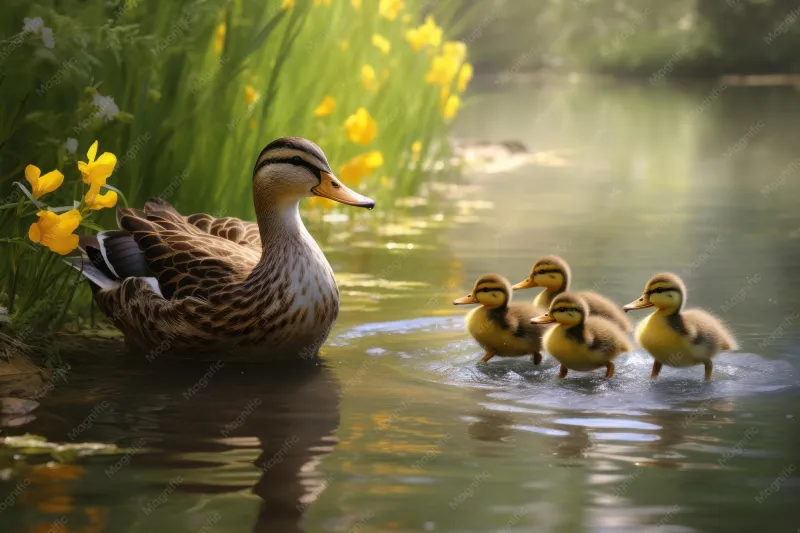
Photo: child watching duck family at pond with mother duck and ducklings, via img.freepik.com
Here's a question for your next family dinner: Do ducks have feelings? Go ahead, toss it out there. You'll probably get a mix of shrugs, giggles, and one kid who confidently says, "Obviously, Mom." And here's the kicker — that kid is absolutely right.
Ducks experience a surprisingly rich spectrum of emotions. Scientists who study animal behavior (they're called ethologists, and yes, that's a great vocabulary word for your kids) have documented everything from deep social bonds to what looks an awful lot like grief in waterfowl. And at Ducky Channel, we think that's not just fascinating — it's genuinely useful for raising emotionally aware, compassionate little humans.
So let's crack open the emotional world of our favorite pond dwellers, shall we?
Joy Is a Real Thing — And Ducks Are Excellent at It
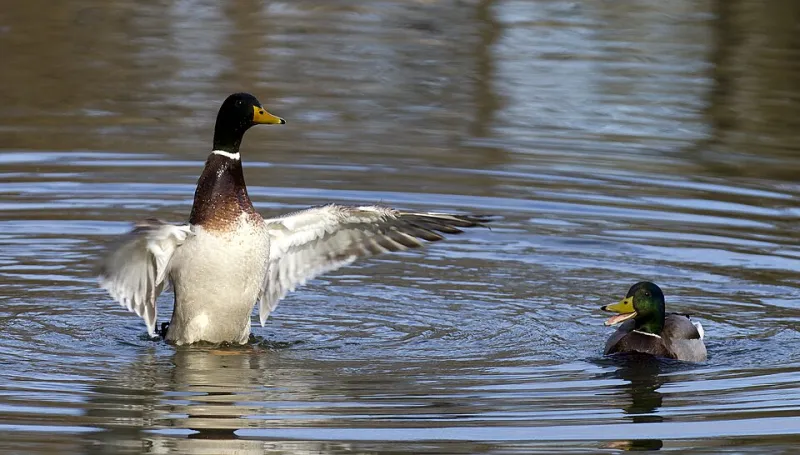
If you've ever watched a duck zoom across the surface of a pond, wings flapping like a tiny, chaotic airplane that forgot how to fly, you've witnessed duck joy in its purest form. Behavioral researchers have observed that ducks engage in what's known as "play behavior" — splashing, chasing each other, and diving for absolutely no survival-related reason whatsoever. They're just... having fun.
Ducklings in particular are champion players. They'll tumble over each other, race through shallow water, and explore new objects with unbridled curiosity. Sound familiar? It should. That's basically every toddler at a splash pad in July.
For kids watching this kind of duck behavior, there's a gentle but powerful lesson: joy is something living creatures share. When your child laughs watching a duck do a ridiculous water landing, they're recognizing a feeling they already know. That moment of connection? That's empathy taking root.
The Loyalty Factor: Duck Bonds Run Deep
Here's where things get genuinely moving. Ducks form strong social bonds, particularly between mated pairs and between mothers and their ducklings. A mother mallard will fiercely protect her brood, sometimes faking injuries to lure predators away from her babies. That's not instinct running on autopilot — that's a level of devoted, self-sacrificing care that most of us would recognize as love.
Ducks that lose a partner or a member of their flock have been observed behaving in ways that suggest mourning — reduced activity, loss of appetite, and prolonged searching behavior. Researchers are careful about using the word "grief" in animal studies, but the behavioral evidence is pretty compelling. These birds notice when someone they care about is gone. They respond to that absence in ways that mirror how social creatures — including humans — process loss.
When you explain this to kids, something interesting happens. A child who might have struggled to articulate why they felt sad when a pet died, or when a best friend moved away, suddenly has a new framework. "Oh, the duck feels it too." That kind of cross-species recognition is one of the most powerful empathy-building tools out there, and it costs exactly nothing.
Stress, Fear, and Why Ducks Deserve Our Consideration
Not all duck emotions are warm and fluffy. Ducks also experience fear and stress — and research shows these responses have real physiological effects on their health, just like stress affects humans.
A duck that is repeatedly startled, chased, or harassed at a public park shows measurable stress hormone increases. Crowded, noisy environments can cause chronic stress in waterfowl populations. This is actually important information for families who visit local ponds and parks, because the way we interact with ducks has a real emotional impact on them.
Teaching kids that ducks can feel scared or overwhelmed — and that our behavior influences those feelings — is a masterclass in perspective-taking. It moves children from thinking about animals as objects to interact with, toward thinking about them as beings with their own experiences. That's a huge developmental leap, and ducks are surprisingly excellent teachers of it.
Jealousy, Curiosity, and the Full Emotional Buffet
Here's a fun one: ducks can get jealous. Mated pairs are often fiercely protective of their bond, and competing males will go to extraordinary lengths — including some pretty dramatic displays of feather-ruffling and aggressive posturing — to maintain their social standing. If that sounds like a school cafeteria, well, you're not wrong.
Ducks are also intensely curious creatures. Introduce a new object near a duck's territory and watch the investigation begin. They'll circle it, peck at it, tilt their little heads sideways with what can only be described as extreme intellectual interest. Curiosity is an emotional state, not just a cognitive one — it comes with excitement, a little bit of anxiety, and the drive to explore. Kids are wired the same way, and seeing it mirrored in a duck can be surprisingly validating.
Turning Duck Emotions Into Family Conversations
So how do you take all of this wonderful duck emotional science and actually use it with your kids? Here are a few ideas that work beautifully:
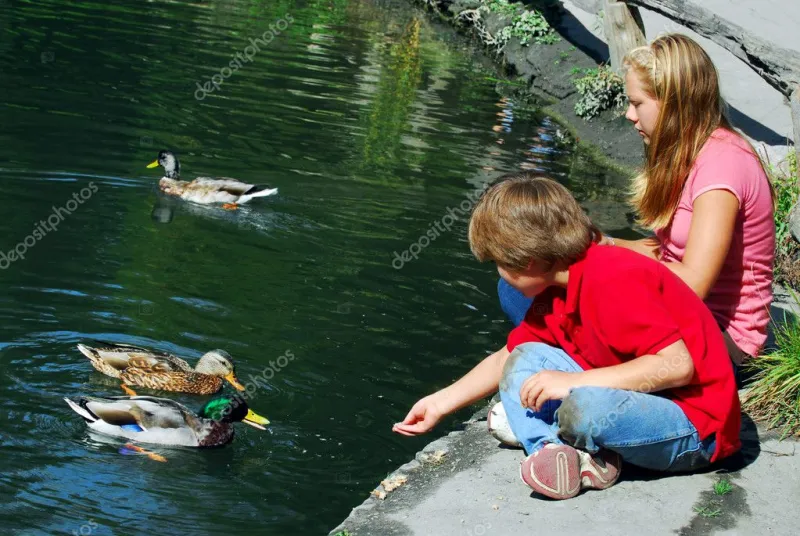
Watch and wonder together. Next time you're at a park with a pond, slow down and observe instead of just tossing food. Ask your kids, "What do you think that duck is feeling right now?" Let them narrate. You'll be amazed at the emotional intelligence that surfaces.
Use duck behavior as a conversation starter for big feelings. If your child is struggling to talk about sadness, loneliness, or fear, try opening with a story about duck emotions first. "Did you know ducks can feel lonely too?" creates a safe, sideways entry into harder conversations.
Read and explore together. There are fantastic books and nature documentaries about duck behavior that are age-appropriate and genuinely riveting. The more kids learn, the more they care — and the more they care, the more empathetic they become.
Validate the connection. If your kid says, "I think that duck is happy," don't brush it off with "It's just a bird." Lean in. Say, "I think you might be right. What makes you think so?" You're not just validating their observation — you're building the habit of reading emotional cues, which is a skill they'll use with other people for the rest of their lives.
The Bigger Picture
At Ducky Channel, we believe that some of the most important lessons kids learn come from the natural world. Ducks aren't just cute pond decorations or cartoon characters — they're emotionally complex, socially bonded, feeling creatures who share this planet with us.
When kids learn to recognize and respect the emotional lives of animals, something magical happens: they get better at recognizing and respecting the emotional lives of the people around them. They become more attuned, more compassionate, and more willing to consider perspectives beyond their own.
All from watching a duck do a ridiculous water landing and thinking, Hey, I think that little guy is happy.
Not bad for a bird, right?