Flock Goals: What Duck Squads Can Teach Your Kids About Being a Truly Great Friend
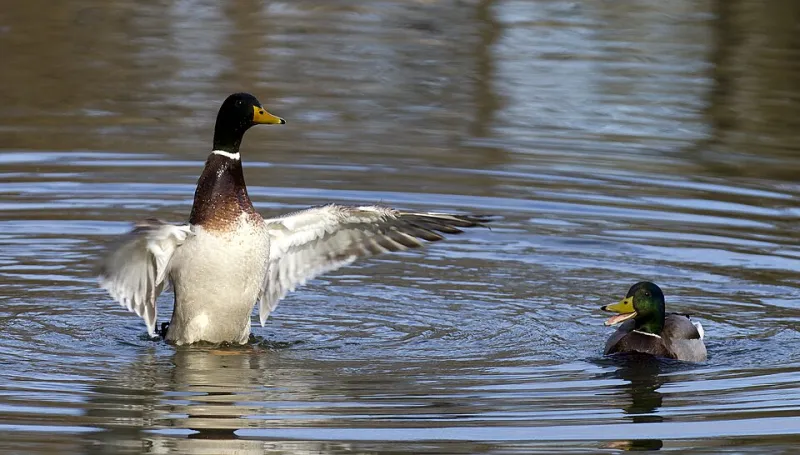
Photo: PierreSelim, CC BY-SA 3.0, via Wikimedia Commons
Let's be honest — navigating friendships as a kid is hard. One minute your best friend is your partner in crime on the playground, and the next minute they've decided that trading Pokémon cards is suddenly "babyish." Yikes. But here's the thing: ducks have been figuring out the friendship game for millions of years, and they are crushing it. So let's take a little field trip to the pond and see what these waddling wisdom-keepers can teach our kids about loyalty, teamwork, and being the kind of friend everyone actually wants.
The Mallard Matchup: More Than Just a Pretty Pair
You've probably seen a pair of mallards gliding across a lake, looking like they're on the world's most peaceful date. But what's really going on between those two ducks is something pretty special. Mallards form strong pair bonds each breeding season, and during that time, the male (the one with the shiny green head, showing off as always) stays close to his mate, protecting her while she scouts out nesting spots.
Now, here's where it gets interesting for kids. That kind of partnership — where one friend supports the other while they do something important — is basically the blueprint for a solid friendship. Think about it: when your child's best friend is nervous about a class presentation, being the one who says "I've got you, I'll sit in the front row and cheer" is peak mallard energy. Pair-bonding in ducks is less about romance and more about showing up consistently. And that's a lesson that translates beautifully to the school cafeteria.
Cooperative Nesting: The Original Group Project
Here's a fun fact that'll make your kids look at ducks completely differently: while mama duck is the one doing the heavy lifting on the nest (we see you, mama), the whole process of finding a safe, protected spot involves a lot of back-and-forth between duck pairs and even nearby flock members. Ducks are remarkably tuned in to their environment, and they use collective information from the flock to figure out where it's safest to settle down.
Sound familiar? That's basically a group project — except the ducks actually finish it on time and nobody hogs all the credit.
For kids, this is a golden teaching moment. Whether it's building a LEGO city, planning a birthday party, or working on a science fair project, the best outcomes happen when everyone contributes their strengths. Maybe one kid is great at drawing the poster, another is a whiz at researching facts, and a third has the confidence to do the presentation. Just like a duck flock, every member brings something to the nest.
Try this at home: Ask your child to think about their friend group and name one special thing each friend is really good at. Then talk about how those different skills could help everyone accomplish something together. Bonus points if someone quacks during the exercise.
Safety in Numbers: The Flock Protection Strategy
Here's where ducks get genuinely impressive. When a group of ducks is resting or feeding, they don't all just zone out at once. Some ducks keep watch while others eat or sleep, then they rotate. It's like a neighborhood watch program, except everyone actually participates and nobody just complains about it on the HOA Facebook page.
This behavior — called cooperative vigilance — means the whole group is safer because each individual takes a turn being responsible for the others. No one duck has to carry the whole burden, and no one duck gets to freeload on everyone else's alertness.
For kids, this translates directly into the concept of being a reliable friend. Reliability is one of the most underrated friendship skills. It's not about being the funniest or the coolest — it's about being the person your friends can count on. When a child learns to take their "watch shift" in a friendship — checking in on a friend who seems sad, standing up for someone being left out, or just remembering to save a seat — they're doing exactly what ducks do. And honestly? That's pretty heroic for a creature that weighs less than a bag of flour.
The Loyalty Loop: Why Ducks Don't Ghost Each Other
One of the most charming things about ducks is that flock members who have bonded tend to seek each other out season after season. They're not out here leaving each other on read. When migrating ducks reunite at familiar wintering grounds, they often regroup with the same individuals they traveled with before. That's commitment.
Teaching kids about loyalty doesn't have to be a heavy, lecture-y conversation. Sometimes it's as simple as pointing out that the two mallards at the park have been hanging out together all morning and asking, "Why do you think they stick together?" Kids are naturally curious, and that one question can open up a whole conversation about what makes a friend worth keeping.
You can also use duck behavior to gently address friendship challenges kids face. Is your child going through a rough patch with a friend? Talk about how even ducks have to navigate the flock — sometimes there are squabbles over food or space, but the bond usually holds because the benefits of sticking together outweigh the drama of going solo.
Bringing the Flock Home
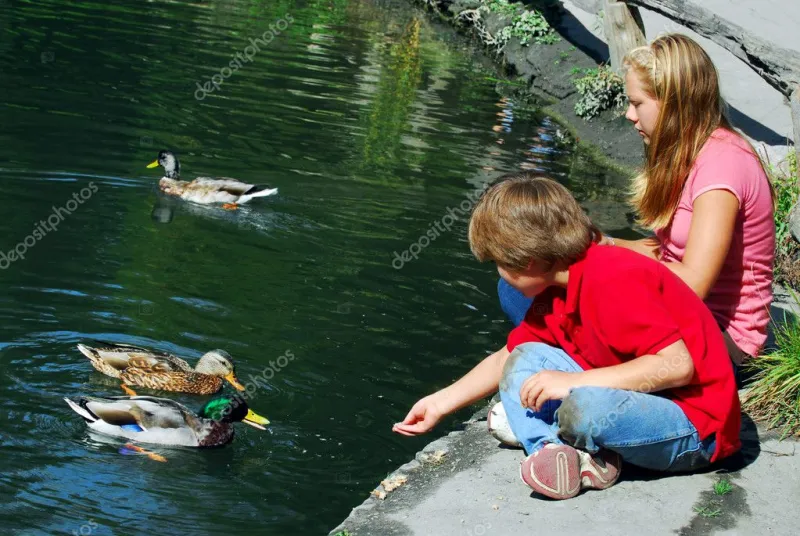
The beauty of using ducks as a friendship framework is that kids genuinely find ducks delightful. Nobody's rolling their eyes at a duck story. Whether you're watching nature videos together, visiting a local pond, or just catching an animated episode of a favorite duck-themed show, there are endless opportunities to weave in these conversations naturally.
Here are a few quick conversation starters to try with your little explorers:
- "What's your version of 'keeping watch' for your friends?" (Helping them think about how they support others.)
- "Can you think of a time a friend was like a pair-bonded duck for you?" (Identifying moments of loyalty they've already experienced.)
- "If your friend group were a duck flock, what would each person's job be?" (Recognizing individual strengths within a team.)
Friendship is one of the most important skills a child will ever develop, and it doesn't come with a manual. But maybe — just maybe — it comes with a beak and some webbed feet. Ducks have been quietly demonstrating the art of showing up, working together, and having each other's backs for centuries. All we have to do is pay attention.
And if your kid learns nothing else from this article, let it be this: always share your breadcrumbs. Ducks do it. Best friends do it. It's just good policy.