Feathered Family Members: The Hilarious, Heartwarming Truth About Raising Ducks, Chickens, and Geese With Your Kids

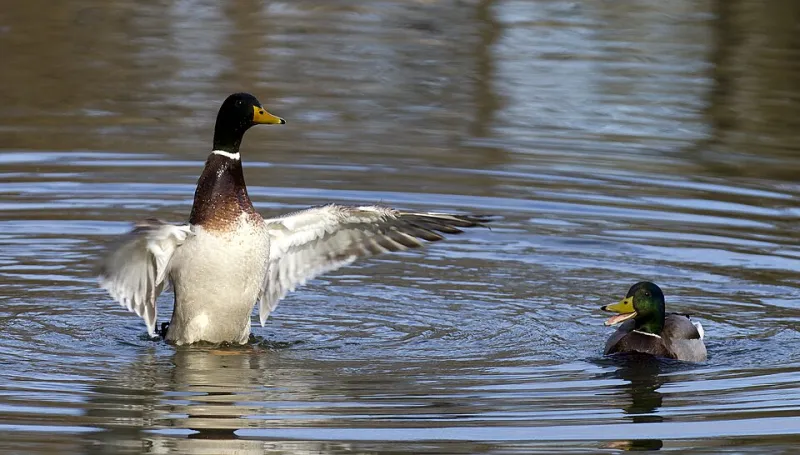
Photo: Silar, CC BY-SA 4.0, via Wikimedia Commons
So your kid has officially declared — probably at full volume, probably in a grocery store — that they need a backyard bird. Maybe they spotted a duck at the park and fell completely in love. Maybe they watched one too many farm-themed cartoons. Either way, here you are, Googling "is a goose a good pet" at 11 PM while questioning your life choices.
Good news: you are not alone, and this decision is actually a fantastic one for your family — if you pick the right feathered roommate. The bad news? Ducks, chickens, and geese are wildly different creatures with wildly different personalities, care needs, and opinions about personal space. Let's break it all down so your family can waddle confidently into backyard bird ownership.
First Things First: Why a Backyard Bird Is Actually a Big Deal for Kids
Before we get into the great fowl face-off, let's talk about why this matters beyond just having something cute to post on Instagram. Raising a backyard bird — any bird — teaches kids responsibility in a way that goldfish simply cannot compete with. These animals need fresh food, clean water, safe shelter, and daily attention. They have moods. They have preferences. They will absolutely let your child know when they're unhappy.
That kind of real-world feedback loop is gold for child development. Kids learn empathy by reading animal behavior, they build routine by sticking to feeding schedules, and they develop problem-solving skills when something inevitably goes sideways (and something always goes sideways). Plus, there's genuine science suggesting that caring for animals reduces stress and anxiety in children. So yes, that duck might literally be good for your kid's mental health. Quack therapy, if you will.
Team Duck: The Chaotic, Cuddly, Surprisingly Brilliant Choice
Let's be honest — we at Ducky Channel have a slight bias here. But hear us out, because the case for ducks is genuinely strong.
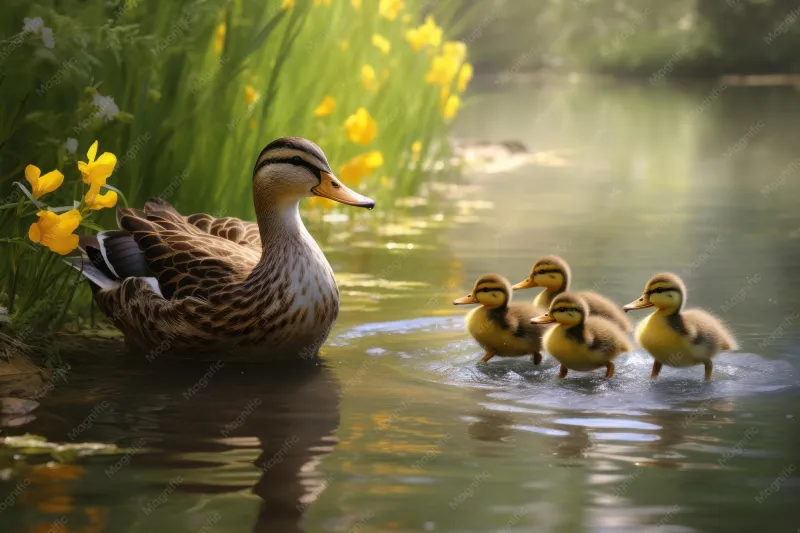
Ducks are social, curious, and endlessly entertaining. Breeds like Pekin ducks (the classic big white ones) and Welsh Harlequins are known for being gentle and relatively people-friendly, especially when raised from ducklings. Your kids can actually bond with them in a meaningful way, which isn't always the case with more skittish birds.
The catch? Ducks are messy. Capital M, bold, underlined, please-understand-what-you're-signing-up-for messy. They need access to water for bathing and foraging, and they will absolutely turn any patch of ground near that water into a mud situation your yard will remember for years. If your family has a small, immaculate suburban backyard, a duck might rearrange your priorities in ways you didn't anticipate.
On the upside, ducks are hardier than chickens in many climates, they're natural pest controllers (slugs, beetles, and other garden troublemakers don't stand a chance), and they lay eggs that bakers absolutely rave about. Space-wise, plan for at least 10-15 square feet per duck in their enclosure, plus outdoor roaming room. And always get at least two — ducks are flock animals and get genuinely sad when left alone.
Best for: Families with a bit of yard space, kids who love water play and hands-on interaction, and parents who have made peace with mud.
Team Chicken: The Reliable, Low-Drama Starter Bird
Chickens are the golden retriever of the backyard bird world. They're approachable, widely understood, and there's a massive community of American backyard chicken keepers ready to answer your every question at 2 AM on a Reddit forum.
For families new to bird keeping, chickens are often the smartest entry point. Breeds like Silkies (fluffy, calm, basically living stuffed animals), Buff Orpingtons, and Easter Eggers are known for being kid-friendly and relatively docile. Some will even let your children pick them up — a fact that will make your kid feel like an absolute Disney protagonist.
Chickens don't need water features, which dramatically simplifies their setup. A solid coop, a run, good feed, and regular cleaning is the basic formula. They're also egg-laying machines, which turns into a genuinely exciting daily ritual for kids — going out each morning to collect eggs is the kind of simple joy that sticks with a person for life.
The downside? Chickens can be pecky with each other (the phrase "pecking order" is not a metaphor — it's a documentary), and roosters are straight-up illegal in many US municipalities due to noise ordinances. Always check your local rules before you fall in love with a bird that will get you a noise complaint by 5 AM.
Best for: First-time bird families, kids who want egg-collecting adventures, and households with limited outdoor space or water access.
Team Goose: The Dramatic, Fiercely Loyal Wild Card
Okay. Geese. We need to have an honest conversation about geese.
Geese are not for the faint of heart, and they are definitely not a beginner bird. They are loud, they are territorial, and if a goose decides it doesn't like you, it will inform you of this opinion with its entire body. That said? For the right family, geese are extraordinary.
Geese form incredibly deep bonds with their people. A goose that trusts your family will follow your kids around the yard like a feathery shadow, honk to alert you when something seems off, and display a level of loyalty that's genuinely touching. Breeds like Toulouse and Pilgrim geese tend to have calmer temperaments than the infamous Canada goose (which, for the record, you cannot legally keep as a pet in the US under the Migratory Bird Treaty Act — don't even try).
Geese are also big, living a long time — up to 20 years in some cases — which means this is a commitment that could literally span your child's entire childhood and then some. They need significant space, strong fencing (they're surprisingly good at finding gaps), and a patient family willing to earn their trust slowly.
The payoff? Kids who raise geese learn lessons about patience, respect, and understanding that an animal's trust is earned, not automatic. That's a character-building experience that goes way beyond the backyard.
Best for: Experienced animal families, kids who are a little older and more confident around assertive animals, and households with plenty of outdoor space.
The Decision Checklist Your Family Actually Needs
Before you commit, run through these questions together as a family — yes, including the kids:
- How much outdoor space do we have? Ducks and geese need more room than chickens.
- Are backyard poultry allowed in our city or HOA? Always check local ordinances first.
- How much time can we realistically commit daily? All three require daily care, rain or shine.
- What's our water situation? Ducks need it; geese appreciate it; chickens don't require it.
- How old are our kids? Younger children do better with gentle breeds like Silkies or Pekins.
- Are we ready for a long-term commitment? Geese especially are a decade-plus decision.
The Bottom Line (Said With Love and a Little Quacking)
There's no universally "right" answer here — only the right answer for your family. Ducks bring splashy, muddy, joyful chaos. Chickens offer reliable, approachable, egg-filled routine. Geese deliver deep bonds and big personality for families ready to earn them.
What all three share is the remarkable ability to teach your kids something real: that living creatures depend on us, that patience matters, and that the responsibility of caring for another being is one of the most meaningful things a person — or a kid — can do.
Now go have that family meeting. And maybe wear shoes you don't mind getting muddy.