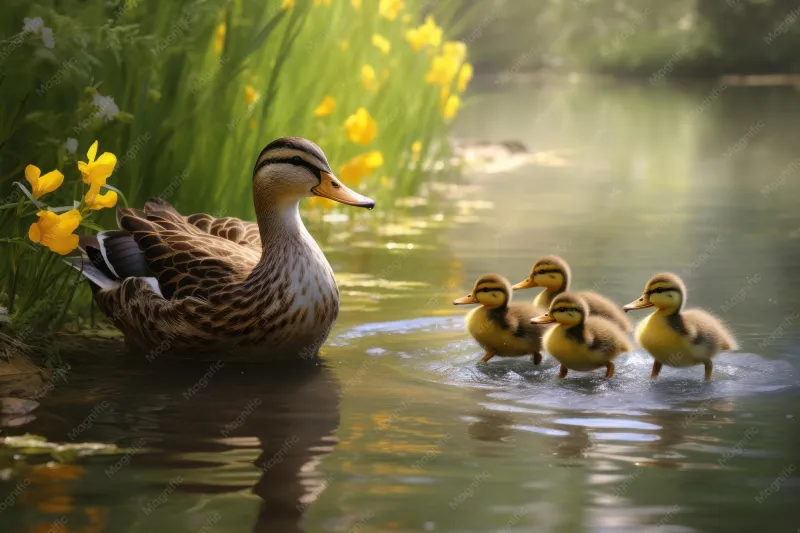
Born to Paddle: What Ducklings Can Teach Your Kid About Conquering the Water
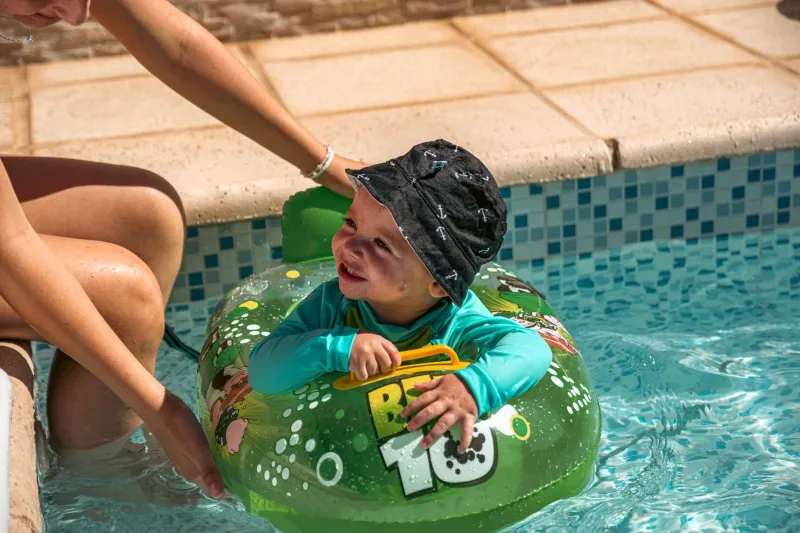
Imagine being less than a week old and already nailing your first open-water swim. No floaties. No nervous parent hovering three inches away with a pool noodle. Just you, your fluff, and a whole lot of determination. That's Tuesday morning for a duckling.
At Ducky Channel, we spend a lot of time celebrating everything feathered, waddly, and wonderful — but this one hits a little differently. Because the story of how ducklings go from "freshly hatched and bewildered" to "absolutely shredding it on the pond" is not just adorable biology. It's a genuine roadmap for helping your own little ones find their footing (or their stroke) in the water.
So grab a towel, maybe a rubber duck for moral support, and let's dive in.
The Duckling Playbook: How It Actually Works
Here's the thing most people don't realize: ducklings are not born waterproof. Wild, right? Those first few days after hatching, a duckling's downy feathers can actually get waterlogged if they stay in the water too long. They need their mother's preening oil — transferred through snuggling close to mom — to gradually build up their own water-resistant coating.
So what do they do in the meantime? They wade. They splash at the edges. They watch. They take short, supervised dips close to mom before waddling back onto dry land to shake off and regroup. The whole process is a slow, confidence-building progression that looks a whole lot less like "sink or swim" and a whole lot more like "you've got this, but let's take it one splash at a time."
By about two to four weeks old, most ducklings are producing their own preen oil and can handle longer stretches in the water. By week eight or so? Full-on swimming machines. But that transformation doesn't happen overnight, and it doesn't happen through pressure. It happens through repetition, safety, and a mama duck who never once said, "Oh, just jump in already."
The Human Parallel Is Almost Suspiciously Obvious
Child development specialists have been saying for years what ducks have apparently known forever: water confidence in kids builds gradually, and forcing the process usually backfires spectacularly. A child who gets dunked before they're ready doesn't suddenly become a swimmer — they become a child who associates the pool with panic. Sound familiar to any parents out there?
The American Academy of Pediatrics recommends that most children begin formal swim lessons around age four, though water familiarity can and should start much earlier through supervised play. Babies as young as six months can benefit from parent-and-child water classes — not because they're learning the backstroke, but because they're learning that water is safe, fun, and manageable.
Just like those early duckling dips near the shore.
What "Water Confidence" Actually Means (And Why It's Bigger Than Swimming)
Here's where it gets genuinely interesting. Water confidence isn't just about knowing how to swim. It's about a child trusting their own body in an unfamiliar environment. It's about tolerating discomfort — the sting of chlorine, the shock of cold water, the weird sensation of buoyancy — without completely shutting down.
Psychologists call this "self-efficacy," which is a fancy way of saying "I believe I can handle this." And kids who develop strong self-efficacy around water tend to carry that same inner confidence into other challenging situations: trying out for a sports team, raising their hand in class, navigating the absolutely chaotic social landscape of a middle school cafeteria.
Ducklings, bless their tiny hearts, are out here accidentally teaching resilience every single morning.
Practical Tips Straight From the Pond
So how do you actually apply the duckling model at home? Glad you asked. Here are some genuinely useful strategies that track surprisingly well with what mama ducks have been doing since before humans invented swimming pools:
Start shallow and stay close. Ducks don't launch their babies into the deep end of the lake on day one. Begin with bathtub play, backyard splash pads, or the shallow steps of a community pool. Proximity to a trusted adult is the whole point.
Let curiosity lead. Ducklings don't get a swim schedule — they explore. If your kid wants to just sit on the pool steps and pour water from cup to cup for twenty minutes, that is excellent water exposure. Don't rush toward strokes and laps when splashing is doing real developmental work.
Normalize getting your face wet. This is the big hurdle for a lot of kids, and honestly, a lot of adults too. Practice in the bath. Use a watering can. Play "duck face" where everyone bobs their chin in the water. Make it silly before you make it serious.
Celebrate tiny wins like they're gold medals. A duckling who makes it back to shore after its first real swim doesn't get a shrug. It gets warmth, safety, and the biological reward of having survived something new. Your kid blowing bubbles for the first time? That's a full-on championship moment. Treat it like one.
Don't skip the "dry land" phases. Ducklings spend a ton of time on the bank between swims. Rest, observation, and low-pressure time near the water without being in the water is part of the process. If your child wants to watch from the side for a while, that's not avoidance — that's reconnaissance.
The Bigger Splash
There's something quietly profound about watching a duckling figure out the water. It doesn't know it's doing something hard. It doesn't have anxiety about the lake because it's never been told the lake is scary. It just follows its instincts, stays close to what feels safe, and keeps trying until the water starts to feel like home.
Kids are wired for that same kind of learning — curious, adaptable, and incredibly capable when the environment around them is patient enough to let the process unfold naturally.
The pond doesn't rush the duckling. Maybe the pool doesn't need to rush the kid, either.
And honestly? If your little one ends up waddling to the edge of the pool and belly-flopping in with zero hesitation, just know that somewhere out there, a mama duck is extremely proud.