Pond Snacks Decoded: What Ducklings Really Eat and How to Answer Your Kid's Next 47 Questions About It
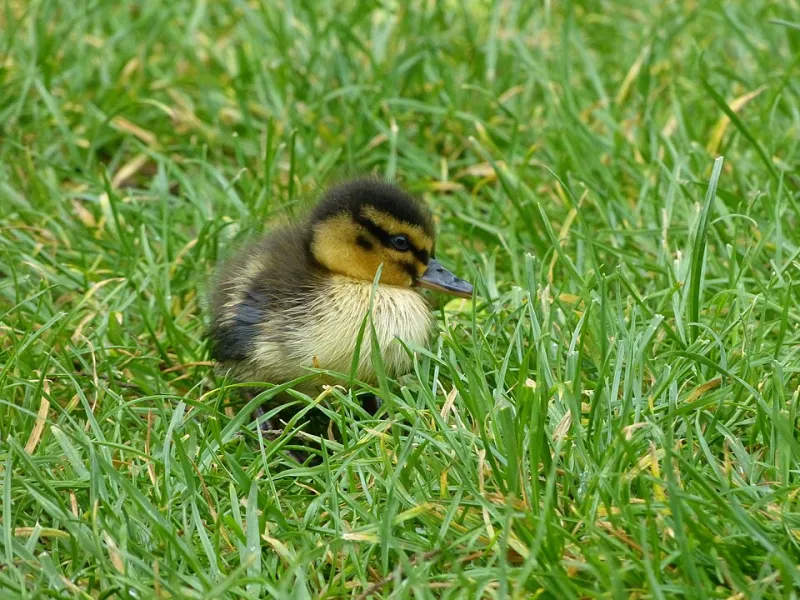
Photo: nottsexminer, CC BY-SA 2.0, via Wikimedia Commons
Every parent who has ever visited a pond knows the moment. Your kid spots a fuzzy parade of ducklings, tugs your sleeve, and asks the question: "What do baby ducks eat?"
And if you say "bread," we're going to need you to take a seat, because this article exists specifically for you.
We talked to waterfowl enthusiasts, combed through wildlife rehabilitation guidance, and — most importantly — pressure-tested every explanation below on actual five-year-olds. Here's your complete briefing.
First, the Bread Situation
Yes, ducks will eat bread. Ducks also would probably eat a jellybean if you offered one. Neither is good for them. Bread is essentially junk food for waterfowl: filling but nutritionally empty, and it can cause a wing deformity in young birds known as "angel wing," where feathers grow out sideways instead of lying flat. Uneaten bread also rots in ponds and fuels algae blooms that mess up the whole ecosystem.
So when your kid asks why the sign at the pond says no bread, here's your line: "Bread is like candy for ducks. It fills up their tummies but doesn't help them grow strong."
What Ducklings Actually Eat, Week by Week
Hatchling to Two Weeks: The Protein Phase
Newly hatched ducklings are basically tiny eating machines, and their fuel of choice is protein. In the wild, that means insect larvae, tiny water bugs, mosquito larvae, and small crustaceans. Mama duck leads them to shallow water where this buffet is plentiful, and the ducklings snag their own food almost immediately — they're born with the instinct.
Kid translation: "Baby ducks eat bugs! Tiny ones! They're like little dinosaurs hunting for snacks."
Two Weeks to Two Months: The Buffet Expands
As ducklings grow, their menu widens. They start dabbling in seeds, aquatic plants, and algae alongside their bug-heavy diet. Their bills get better at straining food from water, which is exactly what those grooved bill edges are built for — nature's built-in spaghetti strainer.
Adult Ducks: The Balanced Dabbler
Full-grown ducks are omnivores with a genuinely impressive range: aquatic plants, seeds, insects, snails, small fish, tadpoles, and grains. Wild ducks eat what their habitat provides; they don't need our help finding lunch, which is the core reason feeding them at all is best kept minimal.
Kid translation: "Ducks are like kids who like both veggies and chicken nuggets — they eat plants AND bugs."
Do Ducklings Drink Milk? (Someone Always Asks)
No! Ducks are birds, not mammals. They get all their water by drinking from the pond and moisture from their food. Ducklings also don't get fed by their parents the way baby robins do — they follow mom to the food instead of having it delivered. Some kids find this mildly scandalous. Lean into it.
What's Safe If You Must Bring Something
Wildlife experts generally agree that if you're going to offer anything at all, better options include:
- Defrosted frozen peas or corn (no salt, no butter)
- Oats or birdseed
- Chopped grapes (cut small — choking hazard otherwise)
- Cracked corn from a feed store
And offer only small amounts, tossed into the water rather than handed out, so ducks have to forage naturally and no single flock gets依赖 on handouts.
The Duck Snack Inspector Checklist
Print this out (or memorize it, overachiever) and run any snack through it before it goes to the pond:
- Is it close to what a duck would find naturally? (Plants, seeds, bugs = yes; processed food = no)
- Is it small enough for a duck to swallow safely?
- Is there no added salt, sugar, or seasoning?
- Is it fresh — nothing moldy or soggy?
- Is it a small amount, tossed into the water?
- Will the ducks still have to forage for their own food afterward?
Six checks? You're officially a certified Duck Snack Inspector. Your kid will want the title. Give it to them.
The Big Picture for Little Brains
Here's the deeper lesson hiding in the snack debate: wild animals thrive best when we admire them more than we feed them. Watching a duckling dabble for larvae teaches your child more about nature than any bag of bread crusts ever could.
So next pond visit, bring your questions, your checklist, and maybe a handful of oats. The ducklings will be fine — and your five-year-old will have answers for the next kid who asks.