Blocks, Bills, and Big Brains: Inside the Duck-Themed Minecraft Worlds Where Kids Are Actually Learning Stuff
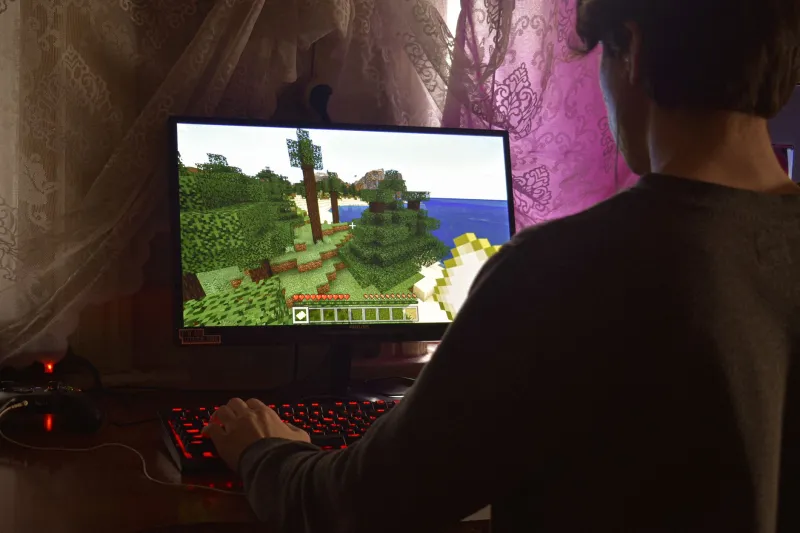
Somewhere between building a pixelated cattail marsh and constructing a fully functional duck migration waystation out of digital oak planks, something unexpected happens: kids start learning things. Real things. Science-y, geography-flavored, problem-solving-packed things.
Welcome to the wild, wonderful, and honestly kind of genius world of duck-themed Minecraft servers — the homeschool classroom that nobody's mom signed a permission slip for, but probably should have.
Wait, Minecraft Has Duck Servers?
Oh yes. While Minecraft has long been celebrated as a creative sandbox for kids (and, let's be honest, plenty of adults who say they're "supervising"), a growing community of educators, game designers, and extremely passionate duck enthusiasts have been quietly building something remarkable inside the platform.
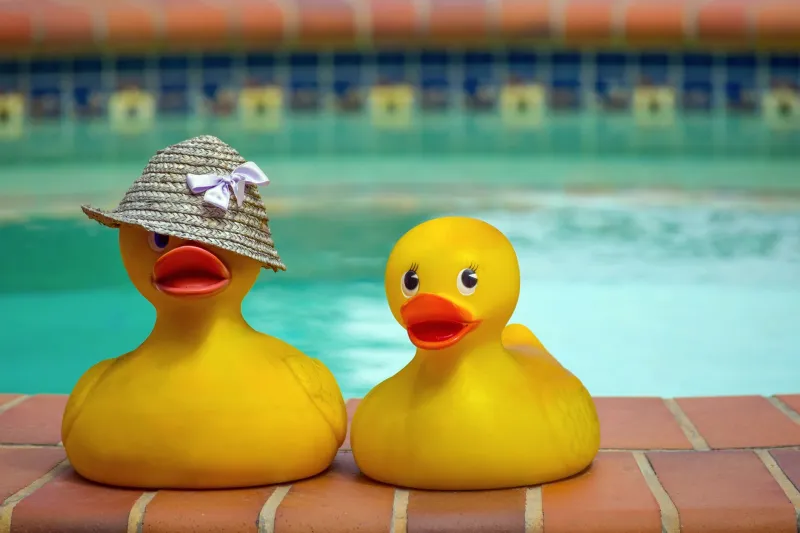
Duck-themed servers range from casual build-your-own-pond experiences to fully structured educational worlds where players take on roles as wildlife conservationists, wetland engineers, and — in at least one spectacularly nerdy case — migratory data analysts tracking virtual mallard populations across a procedurally generated North American landscape.
Sounds intense? It is. But kids are eating it up like breadcrumbs at a real pond. (Whole grain, obviously. We've covered the bread thing.)
The Learning Hiding Inside the Game
Here's the part that makes educators do a little happy waddle: the curriculum integration happening on these servers isn't forced. It's baked into the gameplay itself.
Take environmental science. On servers designed around wetland ecosystems, players quickly discover that their duck habitats need specific conditions to thrive. Water quality, plant diversity, food sources — mess with any of these, and your virtual duck population starts declining. Kids aren't reading about cause-and-effect relationships in a textbook. They're experiencing them, one panicking pixelated mallard at a time.
Collaborative problem-solving gets a serious workout too. Many of these servers are multiplayer environments where groups of players must work together to complete conservation missions. Building a duck nesting area requires resource gathering, planning, negotiation, and the occasional diplomatic resolution of who gets to place the decorative lily pad. (It matters. Don't let anyone tell you it doesn't.)
Math sneaks in through resource management — calculating how many blocks of material are needed, figuring out water flow ratios for pond construction, even basic budgeting systems on more advanced servers where players manage a fictional wildlife refuge. Nobody told these kids they were doing math. They were just trying to make sure Gerald the Drake had enough room to stretch his wings.
What Homeschool Parents Are Actually Saying
Homeschooling families across the US have been some of the earliest adopters of structured gaming education, and duck-themed Minecraft content has found a particularly enthusiastic audience in that community.
Parents report that the engagement factor alone is worth the experiment. A kid who will negotiate, debate, and absolutely refuse to sit through a twenty-minute documentary about migratory bird patterns will happily spend three hours optimizing a digital duck flyway corridor because the game made it their idea.
The social dynamics are another unexpected bonus. Many servers host regular collaborative events — seasonal migration challenges, conservation competitions between different player groups, even virtual "wildlife summits" where players present their habitat designs to the server community. For homeschool kids who sometimes miss out on classroom peer interaction, these structured digital social environments fill a genuine gap.
One thing parents consistently note: the best servers have clear, kid-safe moderation and transparent educational frameworks. The duck theme isn't just aesthetic — it's a curriculum anchor that keeps the content focused and age-appropriate.
How to Spot the Good Stuff (And Dodge the Not-So-Great)
Not every server slapping a duck skin on a creeper is an educational goldmine. Here's a quick field guide for parents navigating the space:
Look for structured progression. Quality educational servers have goals, missions, and clear feedback systems. If your kid can do literally anything with zero direction, that's a sandbox experience — fun, but not particularly curriculum-aligned.
Check the community standards. Legitimate educational servers have active moderation, age-appropriate chat filters, and transparent rules. If the server's homepage looks like it was designed in 2003 and the last admin post was from 2021, keep paddling.
Ask what the duck is for. Sounds silly, but the duck theme should serve a purpose. Is it teaching real waterfowl biology? Actual wetland conservation concepts? Genuine collaborative mechanics? Or is it just a coat of feathers painted over a generic survival game? Both are fine for entertainment, but only one is going to supplement your homeschool science unit.
Watch a session before you commit. Most good servers have YouTube walkthroughs or educator preview content. Spend twenty minutes watching before your kid spends twenty hours playing.
The Educators Who Are Fully On Board
It's not just homeschool families. A small but growing number of classroom teachers — particularly in elementary and middle school science — have begun incorporating structured Minecraft sessions into their curriculum, with duck-themed content proving especially popular for units on ecosystems, animal behavior, and environmental stewardship.
The appeal for educators is the same as it is for parents: the platform meets kids exactly where they already are. Rather than fighting the gravitational pull of gaming, these teachers are redirecting it. Why explain the concept of a food web when you can let a student accidentally destroy their server's entire aquatic plant population and watch the duck population crash in real time?
That's a lesson that sticks. Possibly forever. Sorry, Gerald.
The Bigger Picture (It's Not Just About Ducks)
What's actually exciting about this whole duck-Minecraft phenomenon isn't the ducks specifically — it's what it represents. A generation of kids is growing up with an intuitive understanding that games can be more than entertainment. That virtual worlds can model real systems. That the skills you build in a collaborative digital environment — communication, planning, adaptability, creative problem-solving — transfer directly into the real world.
Ducks just happen to be an incredibly effective teaching vehicle. They're charismatic, they're biologically fascinating, they occupy ecosystems that touch on water science, climate, geography, and conservation simultaneously, and they are, objectively, pretty funny to watch.
If the next generation of environmental scientists, wildlife conservationists, and systems thinkers got their first spark of curiosity from a pixelated mallard waddling across a blocky pond — honestly? We're here for every single quack of it.
Ready to Dive In?
If you're curious about exploring duck-themed Minecraft education with your kid, start simple. Look for family-friendly servers with active educator communities, check platforms like Minecraft Education Edition for officially vetted content, and don't be afraid to play alongside your child for the first few sessions. You might learn something too.
And if your kid tries to explain migratory waterfowl patterns to you at the dinner table using only Minecraft analogies — congratulations. You've done something right.