Why Ducks Are Basically Stand-Up Comedians (And What That Means for Your Kid's Brain)
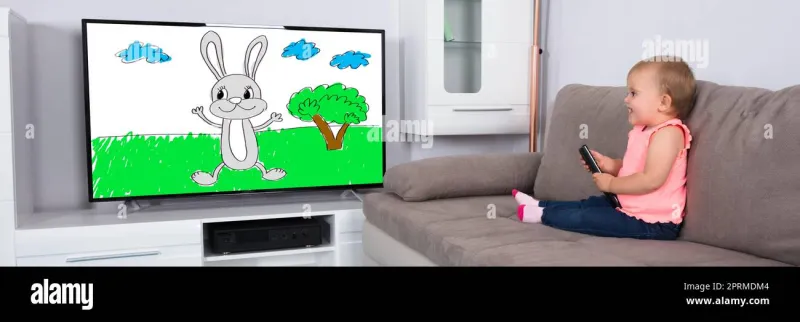
Photo: laughing child watching cartoon on TV with duck character on screen, via c8.alamy.com
Let's set the scene. You're sitting on the couch with your kid, minding your own business, when a cartoon duck struts across the screen, trips over absolutely nothing, and lets out the most offended quack you've ever heard. Your child? Completely dissolves. Full meltdown of giggles. Tears streaming. Can barely breathe.
You, a grown adult, are also laughing. Don't lie.
But here's the thing — that moment isn't just good TV. That moment is science. Duck humor, it turns out, is one of the most potent comedy delivery systems for young minds, and researchers who study child development and learning have a lot to say about why your kid's obsession with waddling, quacking, bill-faced birds is actually making them smarter.
Buckle up, because we're about to get nerdy about ducks. In the best possible way.
The Waddle Factor: Why Funny Walks Are Basically Catnip for Kids
Let's start with the obvious: ducks walk weird. That side-to-side, tail-bobbing, slightly-indignant strut is objectively hilarious, and children are especially tuned in to it.
Child psychologists point to something called incongruity theory to explain this. Basically, our brains find humor in things that don't match our expectations. A duck waddling confidently across a room like it owns the place — when it is, in fact, a small bird — triggers that mismatch detector in kids hard. Their brains are still building a mental model of how the world works, which means unexpected movement patterns are especially surprising and, therefore, especially funny.
For toddlers and early elementary-aged kids, physical comedy lands harder than wordplay. The body doing something unexpected — a wobble, a stumble, an exaggerated flap — hits the humor center before language even gets involved. Ducks, with their naturally comedic anatomy, are practically pre-loaded for this.
Quack = Funny. But Why?
Here's something wild: the word quack is inherently funny. Linguists and comedy writers have known for decades that words with hard K sounds — think cackle, cluck, kooky, duck — are perceived as funnier than words with softer sounds. This is sometimes called the k-sound theory of comedy, and it's been observed in stand-up routines, children's books, and yes, cartoon scripts for generations.
So when a duck opens its bill and says QUACK at maximum volume directly into another character's face, your kid's brain is getting hit with a double whammy: the surprising behavior and the phonetically funny sound. It's basically a cheat code.
Animation studios figured this out a long time ago. It's no accident that some of the most iconic animated characters in American entertainment history have been ducks. Their very existence is a comedy formula.
The Learning Bonus Nobody Talks About
Okay, so ducks are funny. But here's where it gets genuinely exciting for parents and educators: laughter isn't just a nice side effect of entertaining content. It's a learning accelerator.
Research in educational psychology consistently shows that humor increases engagement, reduces anxiety around new information, and — this is the big one — significantly improves memory retention. When kids laugh while learning something, they're more likely to remember it. The emotional spike created by a good joke essentially flags the surrounding information as worth keeping.
This means that a well-placed duck joke in an educational segment isn't filler. It's a mnemonic device wearing a feathered costume.
Think about how many kids can recall the exact moment a cartoon duck explained the water cycle or demonstrated what happens when you mix baking soda and vinegar — because the duck did it with maximum dramatic flair and then fell off a log. The content stuck because the humor stuck.
Duck Behavior Is Comedy Gold (And Also Genuinely Weird)
Part of what makes duck-based humor so endlessly renewable is that real ducks are already bizarre. When content creators and educators tap into actual duck behavior, they're working with material that's naturally absurd.
Consider: ducks sleep with one eye open. They have corkscrew-shaped anatomy. Male ducks sometimes sport iridescent green heads that look like they got into a craft store. Ducklings will follow literally anything that moves if they see it first after hatching — a phenomenon called imprinting that, when explained to kids through animation, reliably produces gasps followed by hysterical laughter.
For children, discovering that reality is this strange is inherently delightful. It validates their sense that the world is full of surprises, which is both funny and a foundational scientific mindset. Curiosity and humor share a lot of the same neural real estate.
The Social Side of Duck Jokes
Here's another layer parents might not have considered: sharing duck humor is a social bonding experience for kids.
When your child runs up to you, barely containing themselves, to tell you a duck joke they just heard — Why don't ducks tell jokes? Because they'd quack everyone up! — they're not just being cute. They're practicing the social mechanics of humor: timing, delivery, reading the audience, sharing an experience.
Child development specialists note that joke-telling is one of the earliest forms of social performance kids engage in. It builds confidence, language skills, and empathy (understanding what other people will find funny requires imagining their perspective). Duck jokes, with their simple structure and reliable punchlines, are perfect training wheels for this.
How Ducky Channel Leans Into All of This
At Ducky Channel, we didn't stumble into duck humor by accident. The entire creative philosophy here is built around the understanding that laughter and learning aren't competing forces — they're partners. Every waddling animation, every well-timed quack, every absurd duck fact delivered with maximum comedic energy is designed with this in mind.
When our characters get into ridiculous situations, trip over their own webbed feet, or react to ordinary things with completely over-the-top drama, we're not just going for cheap laughs (okay, sometimes we're going for cheap laughs — they're delicious). We're creating hooks. Emotional anchors that make the learning that surrounds those moments more likely to stick.
So Next Time Your Kid Loses It Over a Duck Joke...
Let them laugh. Laugh with them. And maybe quietly appreciate that their brain is doing something genuinely sophisticated underneath all those giggles.
The incongruity is firing. The K-sounds are landing. The memory encoding is happening. The social bonds are forming.
All because a small, waddling, perpetually-offended bird decided to be funny about it.
Honestly? Ducks have had this figured out longer than we have.