Press Pause, Parent Up: Turning Duck Cartoons Into Your Kid's Favorite Science Class

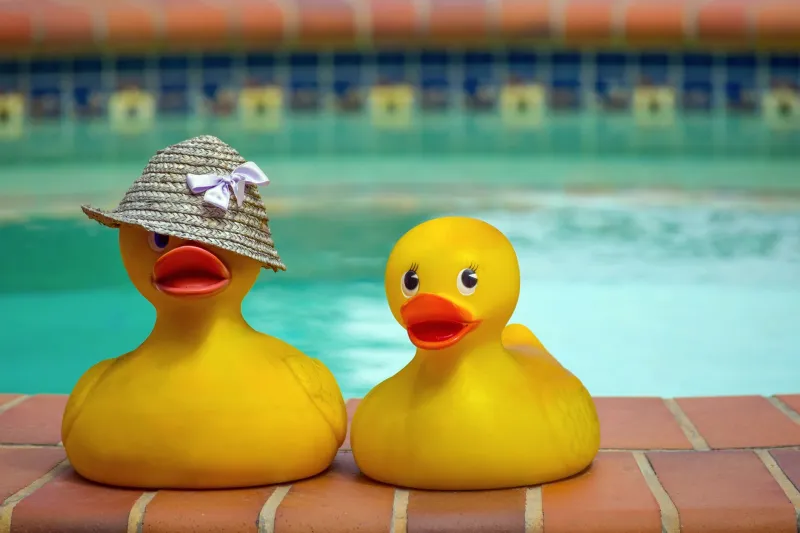
Photo by Photo by Kevin Woblick on Unsplash on Unsplash
Let's be honest. When your kid plops down on the couch and fires up their favorite animated duck show for the fourteenth time this week, your first instinct probably isn't to grab a field guide to North American waterfowl. Totally understandable. But here's the thing — buried inside those quacking, treasure-hunting, slapstick-filled episodes is a surprisingly rich vein of real science just waiting to be cracked open. All you need is a remote control, a curious kid, and maybe a snack to share.
Welcome to Quack Academy. Enrollment is free. The only homework is watching cartoons.
Why Animated Ducks Are Actually Pretty Good Science Teachers (Sometimes)
Here's a fun secret that most parents don't know: animated duck shows, from classic Saturday morning staples to modern streaming hits, occasionally get things surprisingly right about duck biology. Showrunners and animators have, over the decades, slipped in real behavioral quirks, accurate habitat details, and genuine ecological references — often without making a big deal about it.
DuckTales, for example, features ducks navigating wild environments, treasure-laden ruins, and exotic global locations. That's geography AND ecology wrapped in a bow. Other popular duck-themed cartoons show characters diving underwater, foraging for food, or communicating with each other in ways that, with a little parental commentary, mirror real waterfowl behavior almost perfectly.
The trick is knowing when to hit pause and what to say when you do.
The Golden Rule of Educational Cartoon Watching: Don't Overdo It
Before we dive into the teachable moments, let's get one thing straight: you are not trying to turn a 22-minute cartoon into a three-hour lecture. That is a fast track to your kid hiding the remote and pretending the TV is broken.
The sweet spot is one or two well-timed pauses per episode, paired with a quick, genuinely interesting fact that connects what's on screen to the real world. Keep it under a minute. Ask a question. Let them answer. Move on. Done. You just did science parenting.
Moment #1: When the Duck Dives Underwater
Virtually every animated duck show has a scene where a character plunges below the surface — whether they're chasing something shiny or just making a dramatic exit. Hit pause right there.
Here's your script: "Hey, did you know real ducks actually have special feathers that are basically waterproof? They spread an oil from a gland near their tail all over their feathers so water just rolls right off. It's like a built-in raincoat they put on themselves every single day."
Then ask: "If you could waterproof one thing on your body, what would it be?"
Congratulations. You just introduced preening behavior, the uropygial gland, and basic avian biology. Your kid is now smarter than most adults at cocktail parties. You're welcome.
Moment #2: The Big Flock Scene
Many duck cartoons feature sweeping aerial shots of enormous flocks moving together across the sky — usually for dramatic effect or as a backdrop to some wild adventure. That's your cue.
Real duck migration is one of nature's most jaw-dropping phenomena. Some species, like the Northern Pintail, travel thousands of miles between their breeding grounds in Canada and Alaska and their wintering spots across the southern United States. They navigate using the sun, stars, and even Earth's magnetic field like tiny feathered GPS units.
Try this: "Those ducks are flying in a V-shape, right? Real ducks actually do that too — it saves energy because each bird rides the air current made by the one in front. It's like drafting in NASCAR, but with wings."
NASCAR reference optional. Effectiveness may vary depending on your household.
Moment #3: When a Character Talks to Another Duck
Duck communication in cartoons is almost always portrayed as regular human speech, which is obviously hilarious and also completely inaccurate. Use this gap to your advantage.
Real ducks have a surprisingly complex communication system. Female Mallards produce that classic loud quack most people associate with ducks, but males make a much softer, raspier sound. Ducks also use body language — head bobbing, wing flapping, and bill movements — to convey everything from courtship interest to territorial warnings.
Ask your kid: "If you could only communicate using sounds and movements — no words — how would you tell someone you were hungry?" Watch them immediately start quacking and flapping. You've just introduced animal behavior science AND gotten a free comedy show.
Moment #4: The Habitat Scene
Whenever a duck cartoon features a pond, marsh, river, or wetland environment — even a fantastical animated version — that's a golden opportunity to talk conservation.
Wetlands are among the most important and most threatened ecosystems in the United States. They filter water, control flooding, and provide habitat for hundreds of species beyond ducks. Organizations like Ducks Unlimited have spent decades working to preserve these environments across North America, and it's never too early to introduce kids to the concept that the places their favorite animated characters "live" are actually worth protecting in the real world.
Keep it simple: "Real ducks need wetlands to survive, and a lot of those places are disappearing. Some people work really hard to protect them. Maybe someday you could help too."
Plant the seed. Let it grow.
Building Your Own Quack Academy Toolkit
If you want to take this further — and plenty of kids will absolutely want to once you've cracked open that curiosity — here are a few easy ways to extend the learning beyond the couch:
- Visit a local pond or nature preserve. Seeing a real Mallard or Wood Duck after watching a cartoon version creates a powerful connection between screen and world.
- Check out the Cornell Lab of Ornithology's free resources at allaboutbirds.org. Their duck species pages are written accessibly and include audio recordings of actual duck calls.
- Pick up a simple field guide. The National Audubon Society Field Guide to North American Birds is a classic, and kids love flipping through the photos.
- Try a birdwatching app together. Merlin Bird ID by Cornell Lab is free, genuinely fun, and makes identifying ducks feel like a video game.
The Bigger Picture
Here's what makes the Quack Academy approach so sneakily effective: you're not replacing entertainment with education. You're layering one on top of the other. Your kid still gets the laughs, the adventure, and the beloved characters. They just also, almost accidentally, absorb real knowledge about the natural world.
And the next time they're at a pond throwing breadcrumbs — wait, you've already told them not to do that, right? Good. See? It's already working.
So the next time your household's favorite animated duck is waddling across the screen, don't just sit there passively scrolling your phone. Grab that remote. Pick your moment. Ask a good question.
Class is in session. Quack.