Say What?! The Magical, Ridiculous, and Totally Underrated World of Duck Voice Acting
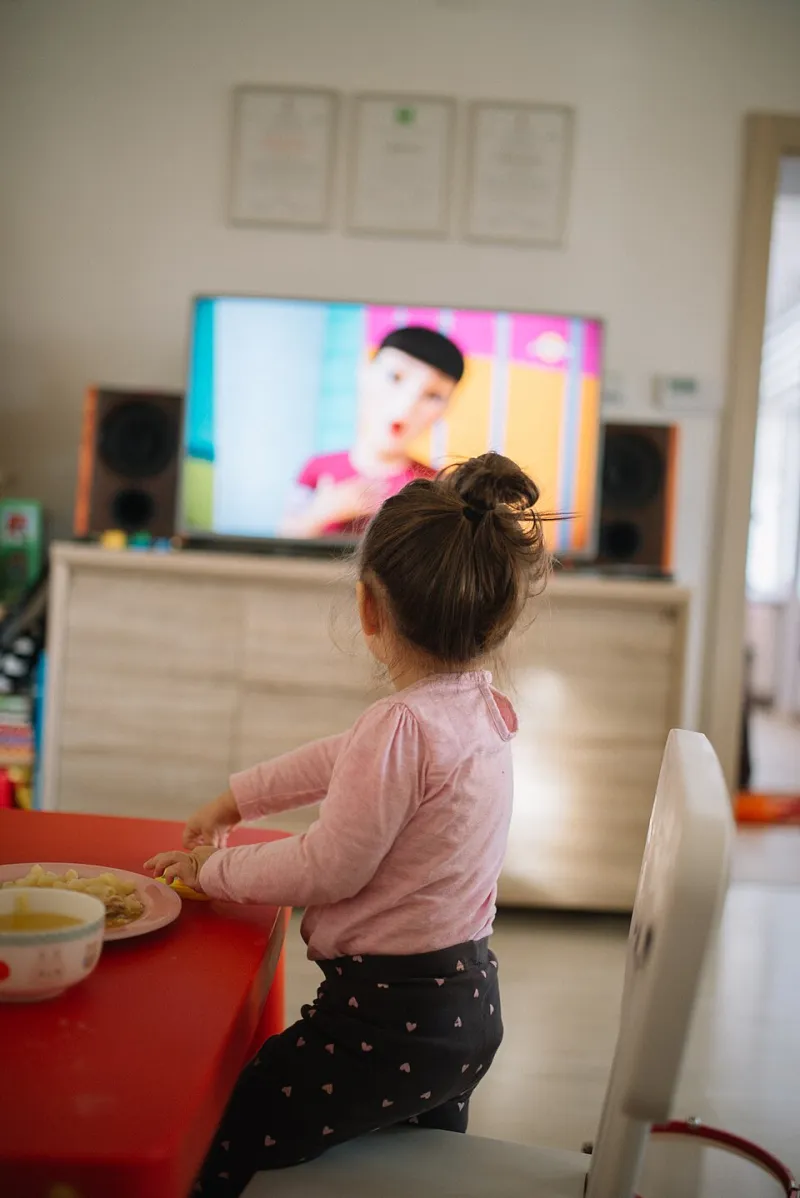
Your kid has watched the same episode of their favorite animated duck show approximately 47 times this week. You know every line by heart. You've started accidentally humming the theme song in the grocery store. And yet — have you ever stopped to wonder about the actual human being sitting in a padded booth somewhere, making those ridiculous, lovable, weirdly emotional duck sounds?
Because that person exists. And their job is incredible.
Welcome behind the curtain, folks. Today, Ducky Channel is waddling deep into the world of animated duck voice acting — where grown adults perfect their honks, where sound engineers lose sleep over the perfect "splat" of a cartoon bill hitting a pond, and where a single quack can make a child feel understood in ways words sometimes can't.
It All Starts With a Script (And a Lot of Imagination)
Before any voice actor opens their mouth, the character has to exist on paper. Writers craft a duck's personality — are they confident and swaggery? Timid and sweet? Aggressively cheerful in a way that's somehow still endearing? Once that blueprint is set, it lands in the hands of a voice director, who essentially becomes the architect of the character's soul.
Voice directors work closely with actors to find what the industry calls "the voice" — that magical, specific sound that makes a character feel real even though they're, you know, a drawing. For duck characters specifically, there's an extra layer of fun: how do you make someone sound distinctly duck-like while still being completely understandable to a five-year-old?
Spoiler: it takes way more takes than you'd think.
The Quack Is Harder Than It Looks
Here's something most people never consider — actual duck quacks are kind of terrible for animation. Real ducks sound like a squeaky toy that's seen better days. Charming in a pond, absolutely. Charming coming out of a beloved cartoon character delivering an emotional monologue? Less so.
So voice actors spend serious time developing what might be called a "curated quack" — a sound that nods to the real thing while still feeling expressive and human enough to carry a story. Some actors have described it as finding a laugh that lives in the back of your throat. Others have talked about practicing quack-adjacent sounds in their cars during commutes, which, if you've ever been stuck in traffic on the I-95, suddenly explains a lot of the weird stuff you've seen through other car windows.
The key is versatility. A character's quack when they're surprised needs to sound completely different from their quack when they're triumphant, or devastated, or absolutely convinced they just outsmarted their older sibling. Voice actors train to make those tiny sonic differences land — and when they do, kids pick up on it instantly, even if they can't explain why.
What Sound Engineers Actually Do (It's Bananas)
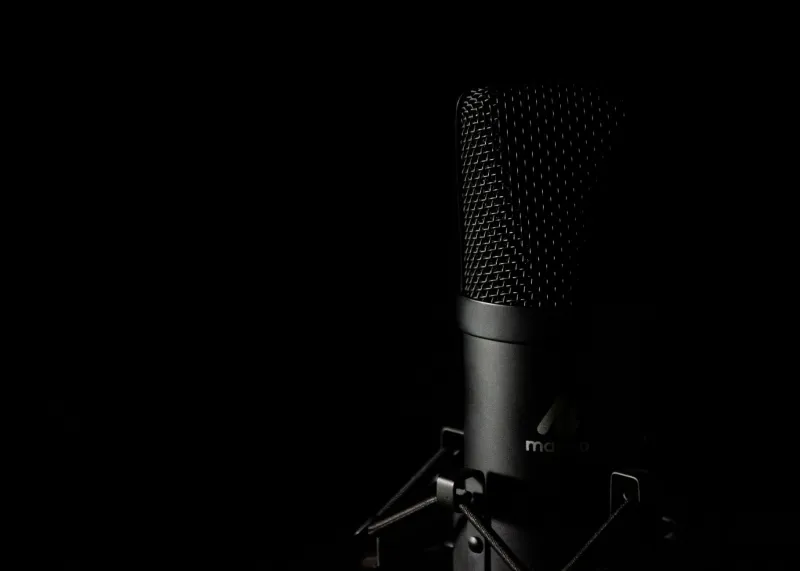
Once the voice actor delivers their performance, the real wizardry begins in post-production. Sound engineers — the unsung heroes of every animated show your kid has ever loved — layer, adjust, and sometimes completely rebuild the audio landscape around those performances.
For duck characters, this can mean adding subtle reverb to make a voice feel like it's coming from something smaller than a human. It might mean pitch-shifting certain syllables to give a character their signature sound. And it definitely means spending hours on sound effects — the precise "whoosh" of wings, the perfect water splash, the exact pitch of a bill snapping shut — that make the animated world feel alive and tactile.
One of the most fun things sound designers do is create what's called a "sonic identity" for each character. Just like how you can recognize your kid's laugh from across a crowded playground, a well-designed animated character should be instantly recognizable from their sound alone. That's not an accident. That's craft.
The Emotional Heavy Lifting (Yes, Really)
Here's where things get genuinely moving, and not just for the kids in the room.
Some of the most memorable moments in animated duck history have been emotional. A duckling separated from their family. A brave little bird learning to trust again. A goofy character who, in one quiet episode, reveals surprising depth. These moments work — they really, truly work — because a voice actor committed fully to the feeling behind the words.
Voice acting for children's animation is often dismissed as lightweight work, but performers who specialize in it will tell you it requires an almost superhuman level of emotional availability. You have to access genuine joy, genuine fear, genuine tenderness — and then express it through a character who may or may not be shaped like a cartoon bird — in a single take, in a sound booth, with a director and engineer watching through glass.
When your kid tears up because their favorite duck character finally found their flock? That's a real human performance making that happen. Give that some respect.
Fun Facts to Quack About at Dinner
Before we wrap up this backstage tour, here are a few delightful tidbits to share with your little ones (and honestly, to blow your own mind a little):
- Many famous duck voice actors do their own warm-ups before a session that include humming, lip trills, and yes, actual quacking — neighbors have filed complaints.
- Recording sessions for kids' shows are often done in short bursts to keep energy high. A full episode might be recorded in chunks across several days.
- Some voice actors never meet their animated co-stars. In big productions, characters might be recorded in different cities or even different countries, with editors weaving the performances together later.
- The same voice actor sometimes plays multiple characters in the same show — including characters who interact with each other. They record each character separately, and the editor makes it feel like a real conversation. Mind. Blown.
- Kids are often used as reference points during recording sessions. Directors will sometimes ask, "Would a seven-year-old find this funny or just confusing?" and adjust accordingly.
Why This All Matters for Your Family
So why are we talking about this on Ducky Channel? Because understanding how the magic is made is its own kind of magic.
When kids learn that their favorite animated duck is brought to life by a real person using their real voice, something shifts. They start to see storytelling as a craft. They start to understand that emotions — even cartoon ones — come from somewhere genuine. And sometimes, they start making up their own voices for their own characters, right there in the living room.
That's the good stuff. That's imagination catching fire.
Next time your little one settles in for another episode of their favorite duck show, maybe ask them: what do you think that character's voice actor is like in real life? You might be surprised by what they come up with.
And if they start practicing their own quacks in the car? Honestly, just let it happen. Future voice actors have to start somewhere.