Shake Your Tail Feathers: How Duck-Inspired Dance Moves Are Taking Over Living Rooms Across America
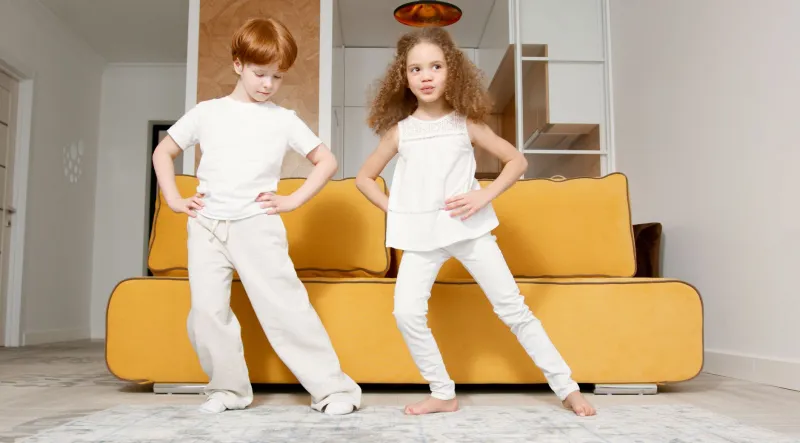
If you've walked past your kid's bedroom lately and heard some kind of quacking noise paired with suspiciously rhythmic thumping, don't panic. You're not losing your mind. What you're witnessing is the beautiful, chaotic intersection of animal behavior, pop culture, and the unstoppable force that is children discovering dance trends online.
Duck-inspired movement is having a major moment right now — and honestly? We're here for every single waddling, wing-flapping, tail-shaking second of it.
Why Ducks, Though? (Seriously, Why?)
Here's the thing about ducks: they are objectively hilarious to watch move. There's no graceful way to put it. A duck waddling across a parking lot with zero self-consciousness, bobbing its head like it's absolutely vibing to music only it can hear — that is pure comedic gold. Kids know this instinctively. They've always known it.
But somewhere between the endless hours of animated duck content, viral pond videos on YouTube, and the general internet love affair with waterfowl, someone figured out that duck movements are actually really fun to imitate. The waddle has a natural rhythm. The head-bob is practically a dance move already. And those little wing-flaps? Pure choreography waiting to happen.
The result is a pipeline that goes something like this: kid watches duck video → kid imitates duck in kitchen → parent laughs uncontrollably → someone films it → the internet absolutely loses its mind.
The Moves That Are Blowing Up Right Now
Let's break down the duck dance vocabulary your kid is either already performing or is about to perform the moment you show them this article.
The Classic Waddle Walk Feet pointed outward, knees slightly bent, side-to-side sway with each step. Add a little shoulder roll and you've got yourself a full entrance move. This one's been popular at school talent shows for years, but paired with the right song, it hits differently on camera.
The Head Bob Loop Ducks constantly bob their heads when they walk — it's actually a real thing called visual stabilization, which sounds very scientific and very un-fun, but the imitation is anything but. Kids lock their arms at their sides, strut forward, and bob their heads in rhythm. Set it to a hip-hop beat and prepare for chaos.
The Flap and Dip Arms out wide, a big dramatic flap downward, followed by a knee dip. Repeat. This one tends to get competitive because every kid thinks their flap is the best flap, and they are all correct.
The Dive Bomb Inspired by ducks dunking their heads underwater to feed, kids launch into a forward lean with arms swept back — basically a freeze frame of a duck going tail-up. It looks ridiculous. It is ridiculously fun. Ten out of ten.
The Tail Wiggle Finish Every great duck dance ends with the tail wiggle. Hands on hips, quick little side-to-side shimmy, and a satisfied head-tilt. This is the punctuation mark of the whole routine. Non-negotiable.
Getting Your Kids Moving (Without Them Realizing It's Exercise)
Here's a secret that every parent should write on their refrigerator: if you call it exercise, kids will moan. If you call it a duck dance challenge, kids will practice for three hours straight without stopping for water.
Duck-inspired dance routines are genuinely great physical activity. The waddle walk works the inner thighs and improves balance. The head bob builds neck and shoulder awareness. The flap-and-dip gets the heart rate up and strengthens the arms and core. And the constant repetition of learning choreography — even silly, feathered choreography — actually builds coordination and rhythm skills that translate into sports, music, and general physical confidence.
So yes. Let them do the duck dance. Encourage it, even. Maybe do it with them. (We won't tell anyone.)
Making It a Family Thing
One of the genuinely lovely side effects of duck dance trends is that they're completely age-agnostic. A four-year-old can waddle. A fourteen-year-old can waddle. A forty-four-year-old parent can absolutely waddle, and will probably become the most beloved video on the family group chat for at least six months.
Try setting up a family duck dance competition at home. Each person creates their own five-move duck routine, you film them all, and then you vote on categories like "Most Authentic Waddle," "Best Dramatic Flap," and the always-coveted "Quackiest Overall Performance." Prizes can be whatever works for your family — extra screen time, choice of dinner, or simply the glory of being crowned the household's Top Duck.
It sounds goofy because it is goofy, and that's exactly the point. Shared silliness is one of the most underrated bonding tools a family has.
A Word About Screen Time and Social Media
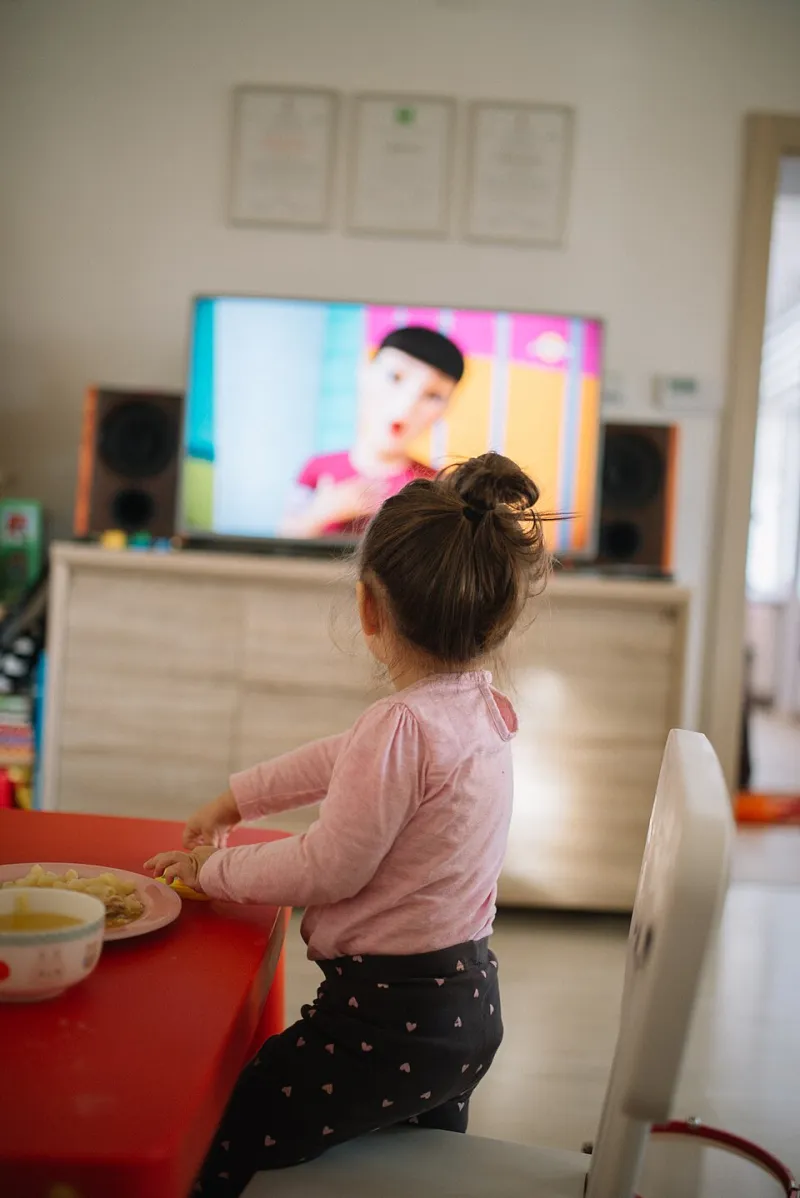
Now, a gentle but important note for parents navigating the social media piece of this. Kids seeing duck dance videos online and wanting to recreate them? Totally great. Kids wanting to film themselves and post it? That's where the grown-ups need to be part of the conversation.
For younger kids, keeping those videos in the family is the move — share them in group chats, on private family accounts, or just on the living room TV for a big premiere screening. For older kids, it's a great opportunity to talk about digital footprints, privacy settings, and what it means to share yourself online.
The creativity and the movement? Encourage all of it. The posting? That's a family decision made together, not a solo launch.
The Bigger Picture: Why This Stuff Actually Matters
Look, at the end of the day, a kid doing a duck dance in the living room is just a kid being a kid. But zoom out a little and you'll see something pretty cool happening.
They're watching the natural world — real animals with real behaviors — and finding joy in it. They're translating that observation into creative expression. They're getting physical, laughing with their families, and building confidence by being unabashedly ridiculous in a world that sometimes takes itself way too seriously.
Ducks have been doing their thing on ponds across America for thousands of years, completely unbothered by anyone's opinion of their walk. There's a lesson in that for all of us, but especially for kids who are still figuring out how to exist comfortably in their own feathers.
So crank up the music, clear some space in the living room, and let the waddling begin. Your kid's inner duck is ready for its close-up.
Now get out there and shake those tail feathers. Quack.